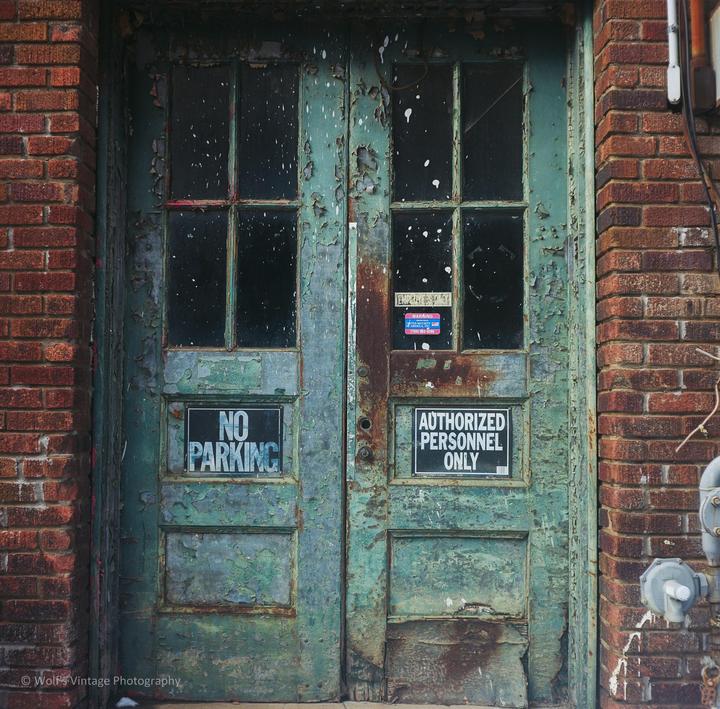
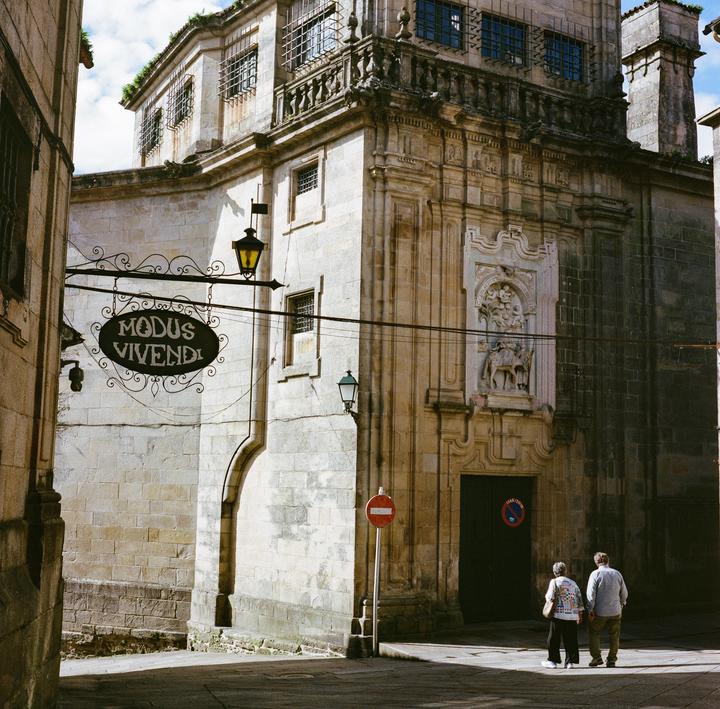
the collection of film photography
ROLLEI ROLLEICORD
- 6 photos
The Art Deco Rolleicord I, also known in Germany as the 'Tapeten-Rolleicord' was manufactured by Franke and Heidecke from November 1933 to March 1936, with 32,508 units of Model 1 produced. As the first model in the Rolleicord series, it is distinguished by its nickel plating and trompe-l'oeil grid pattern on most sides, with a depth of field table affixed to the back in German, French, or English editions. The camera is a twin-lens reflex type designed for 120 film, producing 6x6 cm images, and features dimensions of 94 x 89 x 134 mm (length x width x height, closed) with a weight of 899g. The taking lens is a Zeiss Jena Triotar 7.5cm f/4.5, equipped with a range of aperture stops (f/4.5 to f/32), multiple focusing distances (0.8 m to infinity), and a Compur rim-set shutter with speeds from 1 to 1/300 second, plus T and B modes. The viewing lens is a Franke and Heidecke Heidoskop Anastigmat 7.5cm f/4. Early models feature a fixed back, while later versions introduced a removable back allowing the use of accessories like the Rolleikin 35mm adapter and a sheet film adapter. The Rolleicord I was succeeded in parallel production by a plainer, leatherette-covered version starting in 1934.