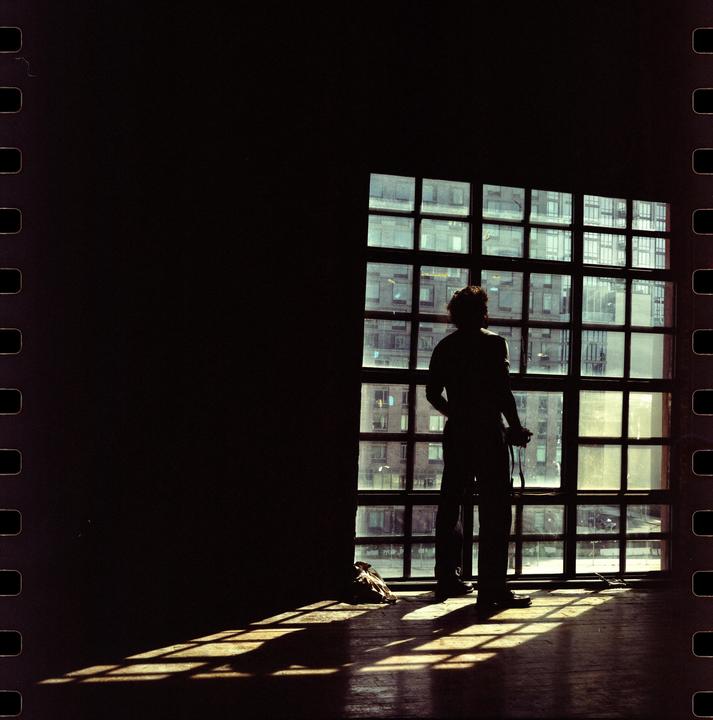
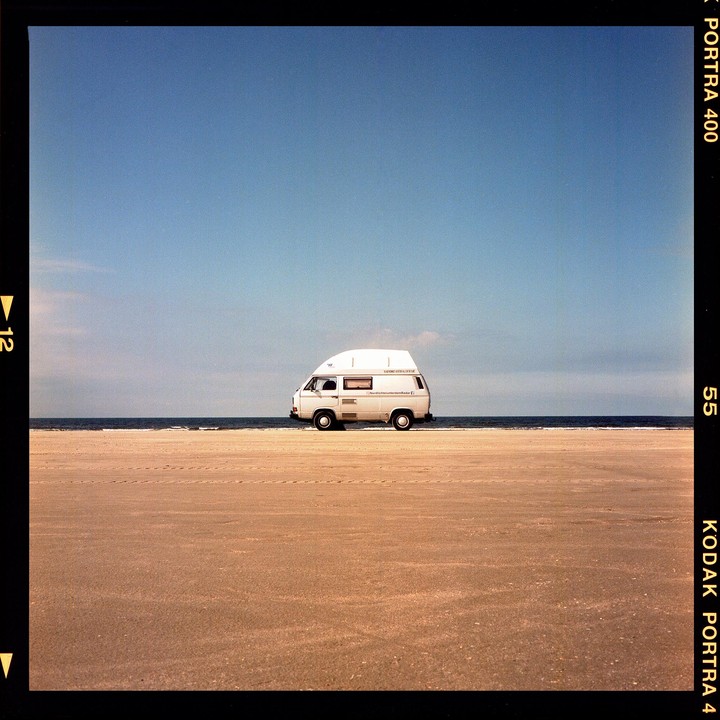
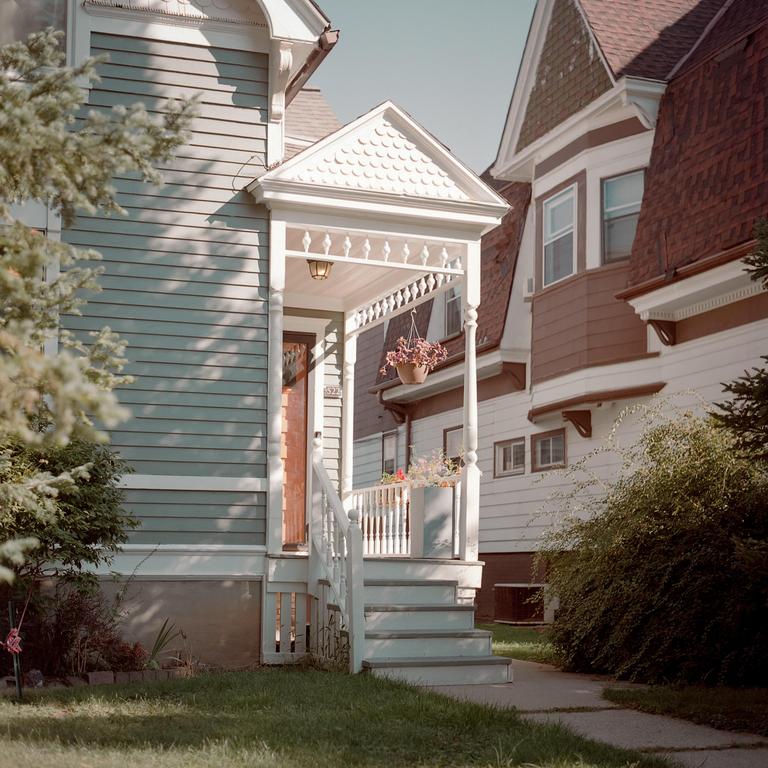
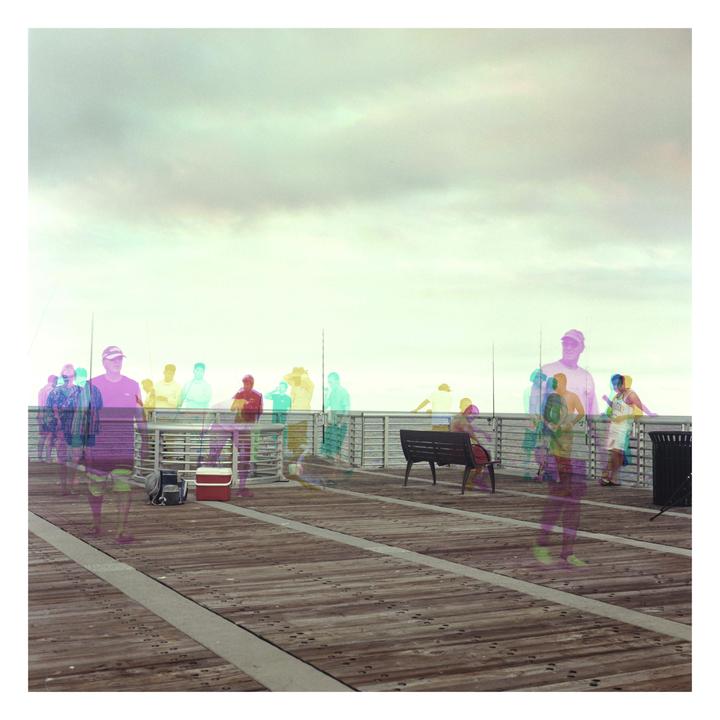
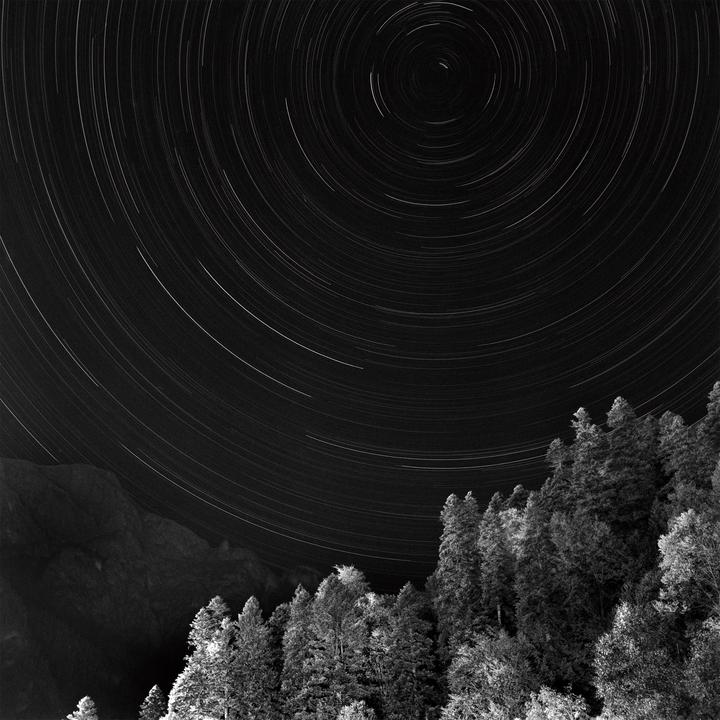
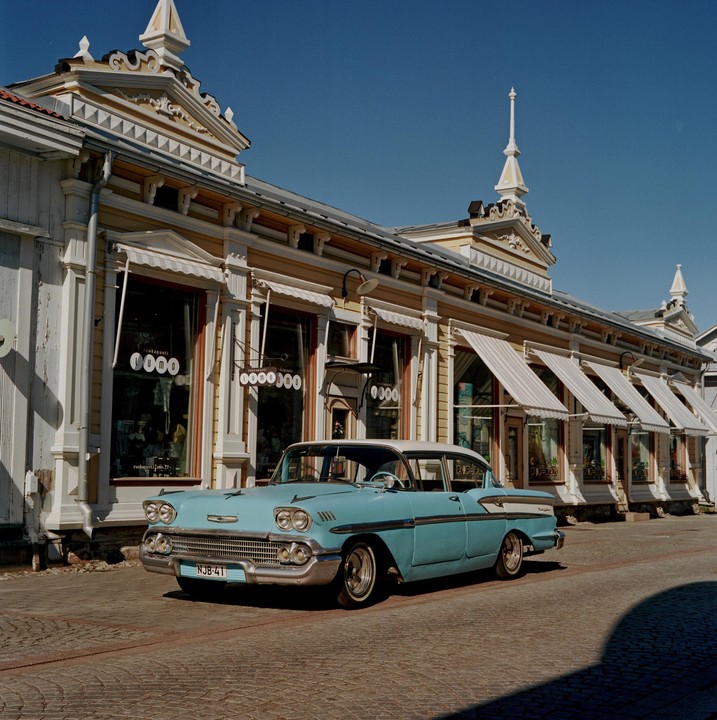
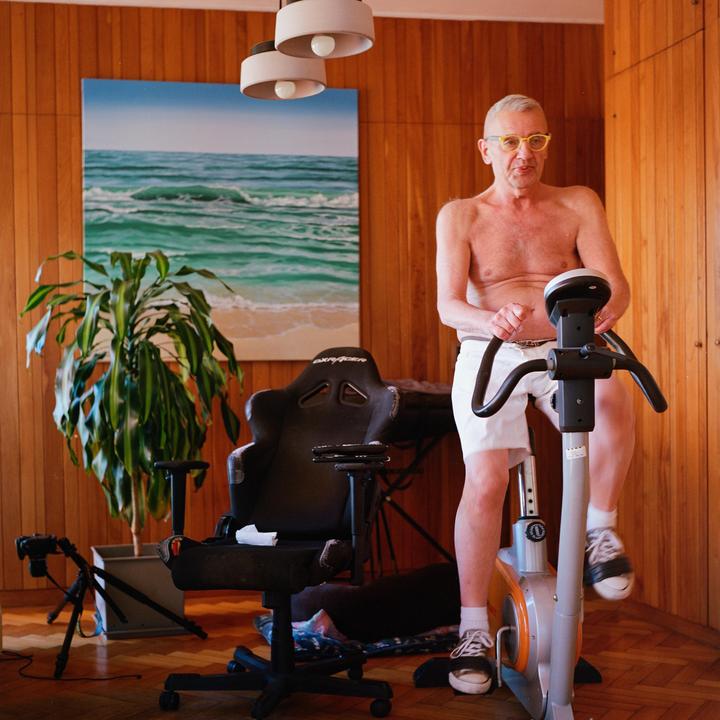
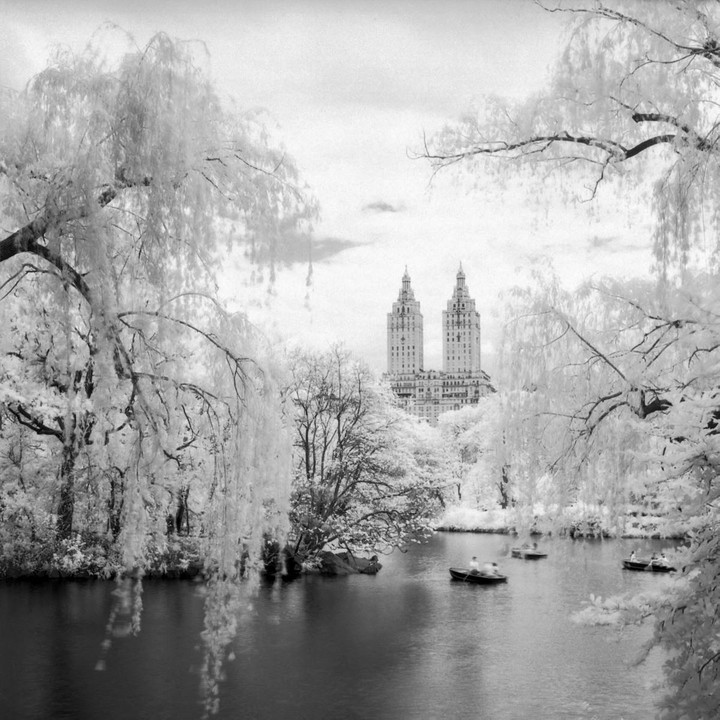
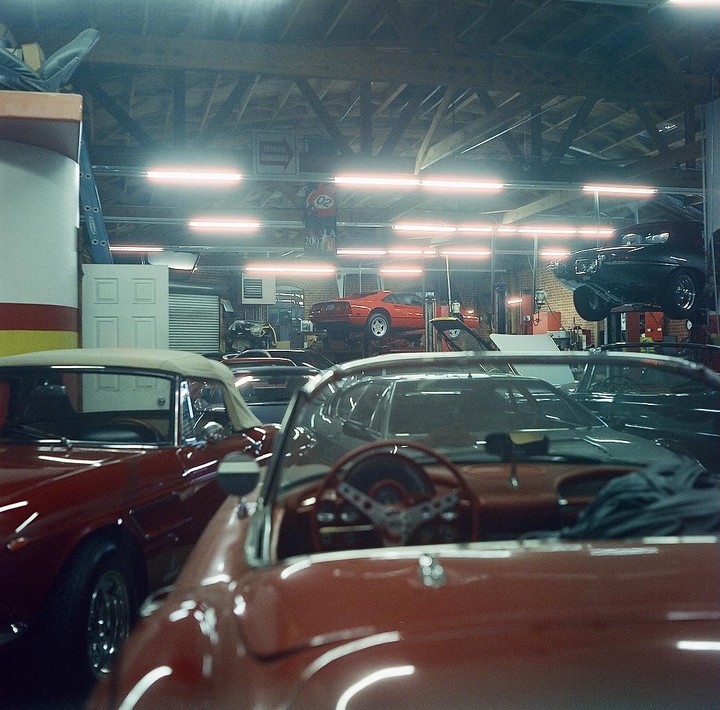
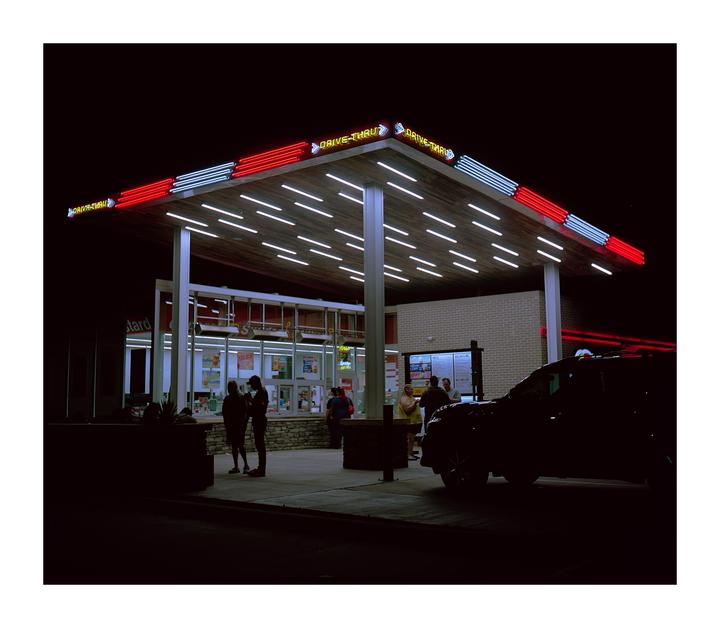
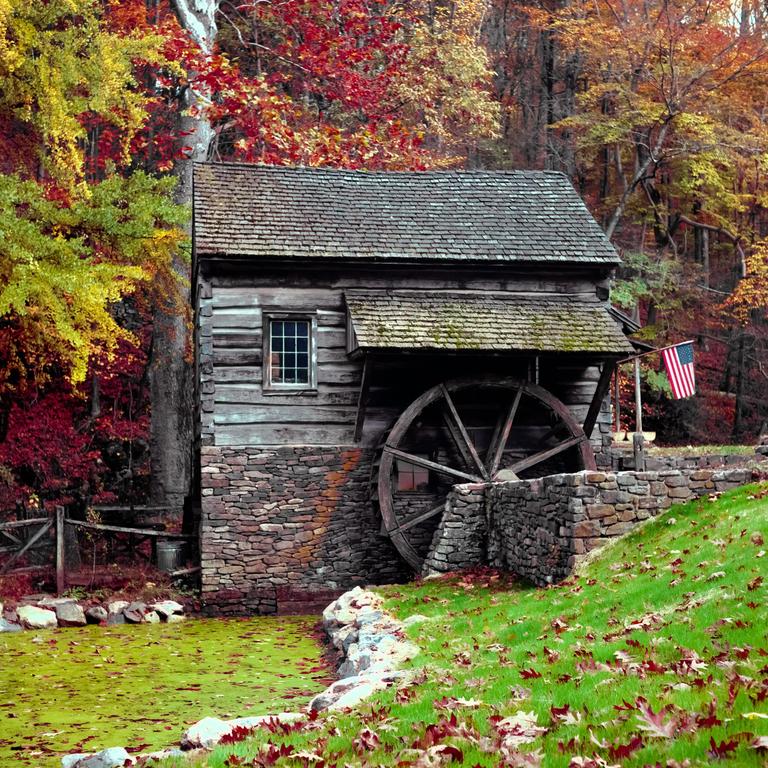
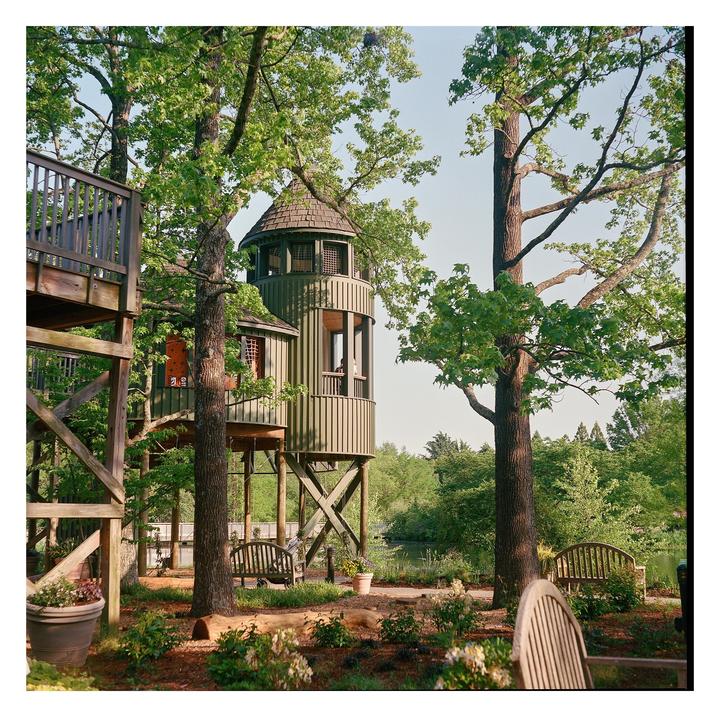
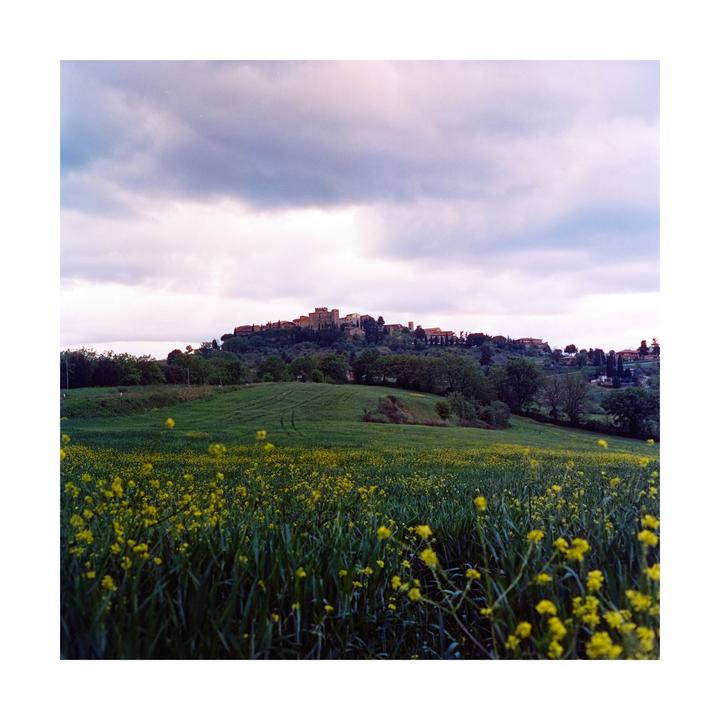
the collection of film photography
MINOLTA AUTOCORD
- 42 photos
The Minolta Autocord series is a line of twin-lens reflex (TLR) medium-format cameras produced by Chiyoda Kogaku Seiko (later Minolta) between 1955 and 1966, designed to compete in the premium TLR market. All Autocords feature a crank film advance mechanism with automatic shutter cocking and frame counting, a four-element Tessar-type Rokkor 75mm f/3.5 lens, slow shutter speeds down to 1 second, and an override for intentional double exposures. The series includes both meterless models and versions with built-in light meters, using either selenium or later CdS cells, and many have an EV number scale or unique 'LVS' exposure value setting system. The cameras are also notable for their underside focus lever, which offers ergonomic advantages over traditional knob-focusing mechanisms, though the lever is susceptible to breakage. Late models, such as the Minolta Autocord I, II, and III, introduced features like 220 film compatibility, adjustable exposure counters, and several metered variants (Autocord CDS, CDS II, CDS III) with expanded ISO settings and battery checks. The Autocord series offered advanced features and high-quality optics at a lower price compared to German competitors like the Rolleiflex, making them significant in the history of Japanese TLR cameras.