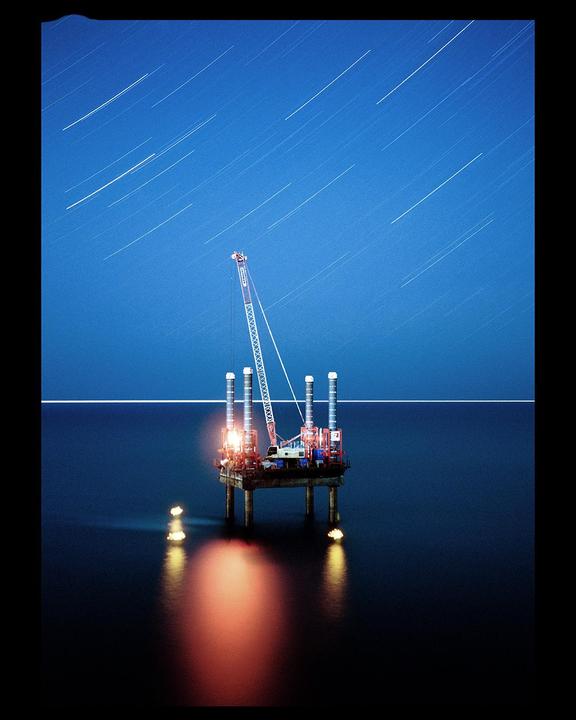
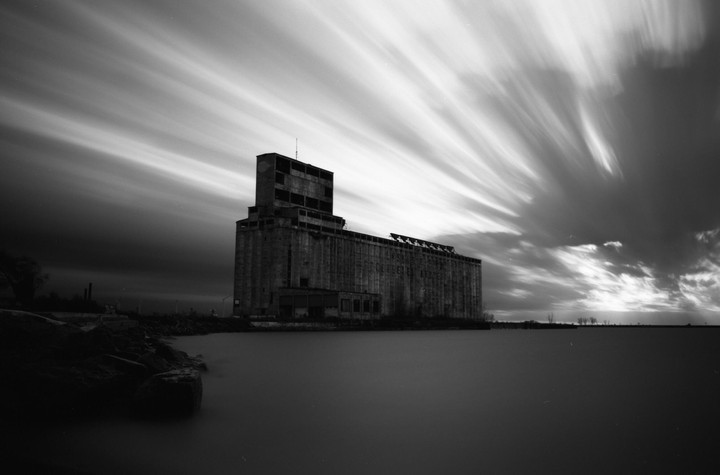
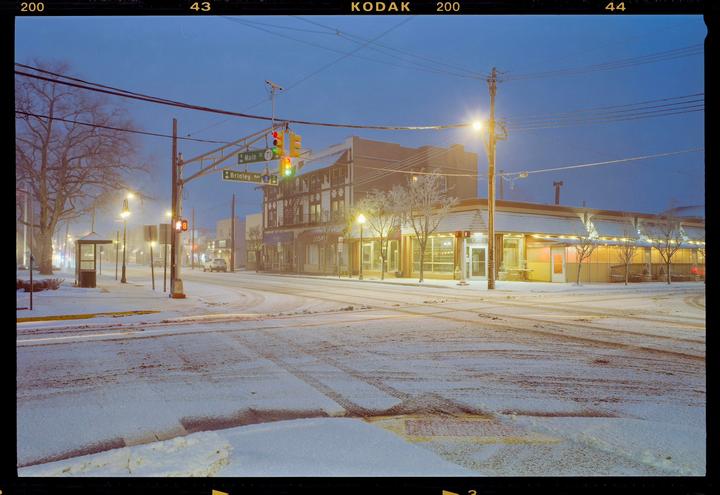
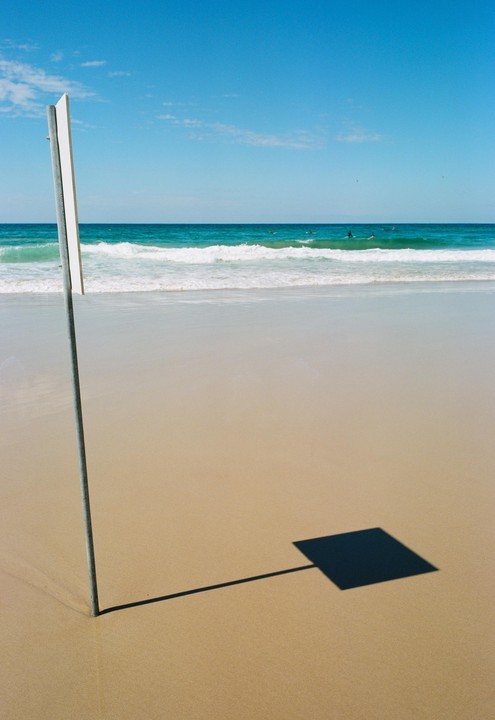
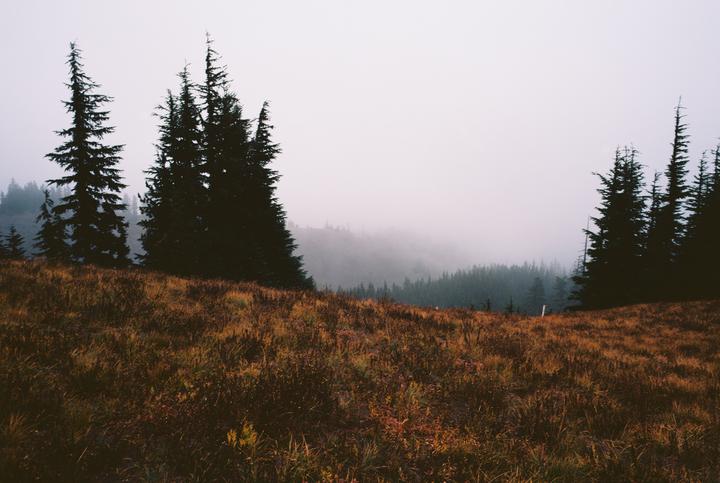
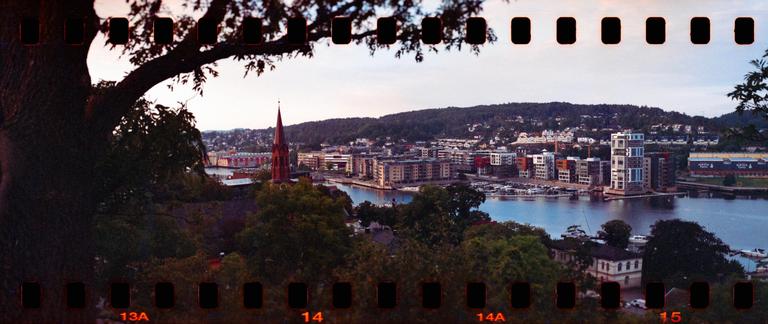
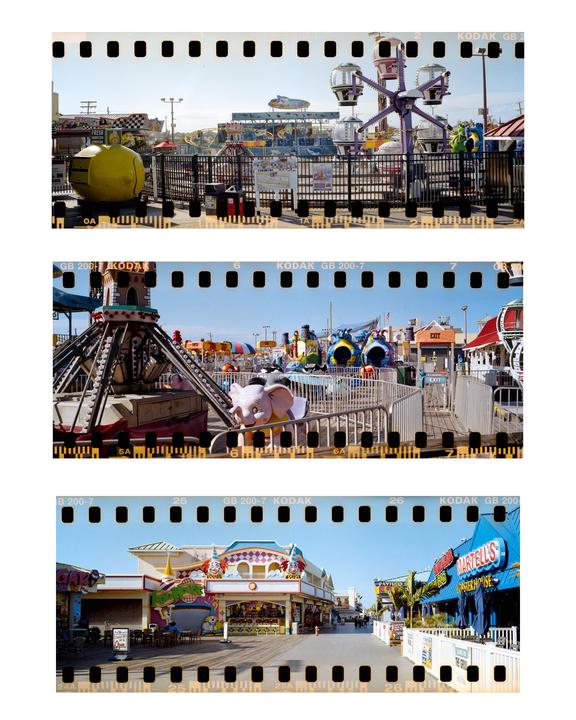
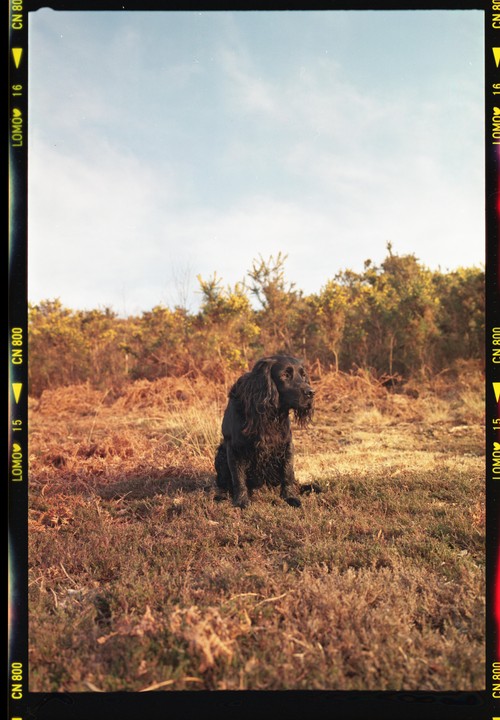
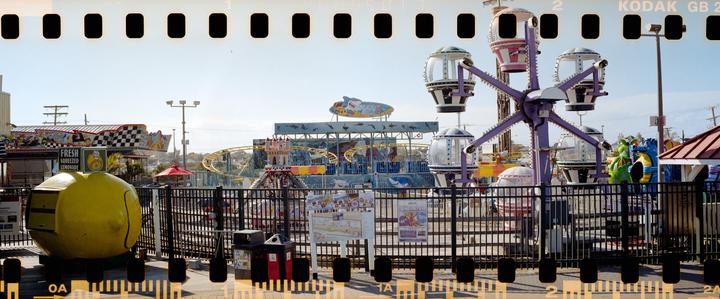
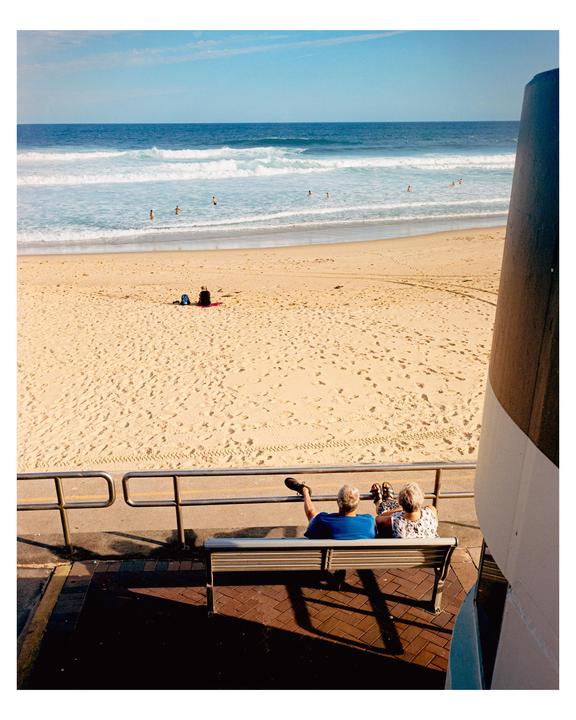
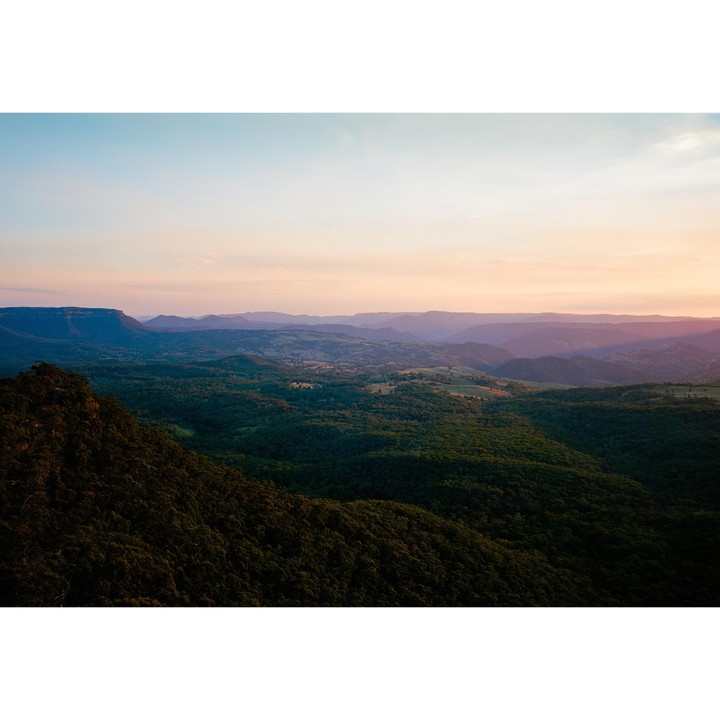
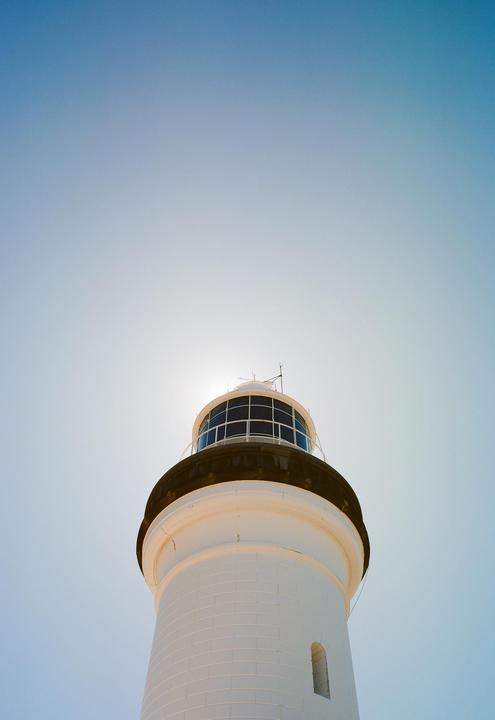
the collection of film photography
FUJIFILM GSW690III
- 18 photos
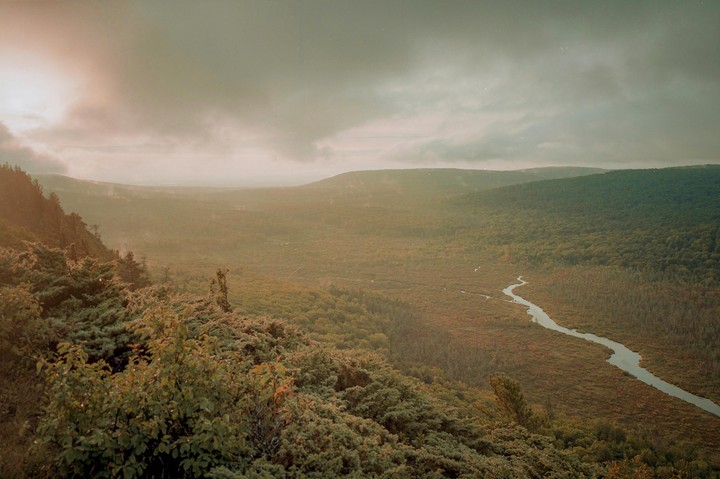
The Fujifilm GSW690III is a medium-format rangefinder film camera that produces 6x9 cm negatives, among the largest available in roll film photography. Introduced in the 1990s as part of the Fujifilm GW series, the GSW690III features a fixed Fujinon EBC 65mm f/5.6 wide-angle lens (approximately equivalent to a 28mm lens on 35mm format), optimized for landscape, studio, and travel photography. The lens is constructed with 6 elements in 4 groups, offers apertures from f/5.6 to f/32, and shutter speeds ranging from 1 second to 1/500 second, plus a T (time) mode for long exposures, all controlled via rings on the lens barrel. The camera operates fully manually: it lacks a built-in light meter or autofocus, and does not require batteries except for an optional flash. Film advance and frame counting are entirely mechanical, and the camera supports both 120 and (historically) 220 film formats, giving 8 exposures per 120 roll in 6x9 format. Notable features include a hot shoe, robust but somewhat plasticky body weighing approximately 1,510g, and dual shutter release buttons for ergonomic flexibility. The GSW690III employs a rangefinder focusing system and has some minor parallax error, as is typical for this type. It is well known for delivering exceptionally sharp, detailed images with high-resolution negatives, though its fixed wide lens limits versatility for some applications. Nicknamed the 'Texas Leica' for its large size and classic rangefinder style, the GSW690III has become increasingly scarce and expensive on the secondhand market.