AnalogDB

  • 33 photos
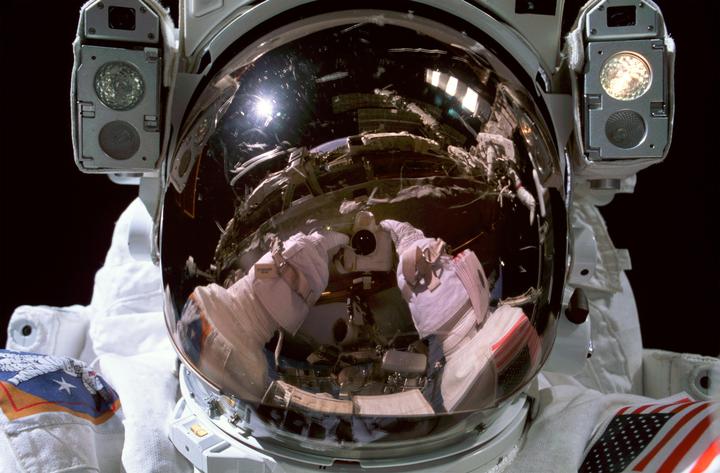
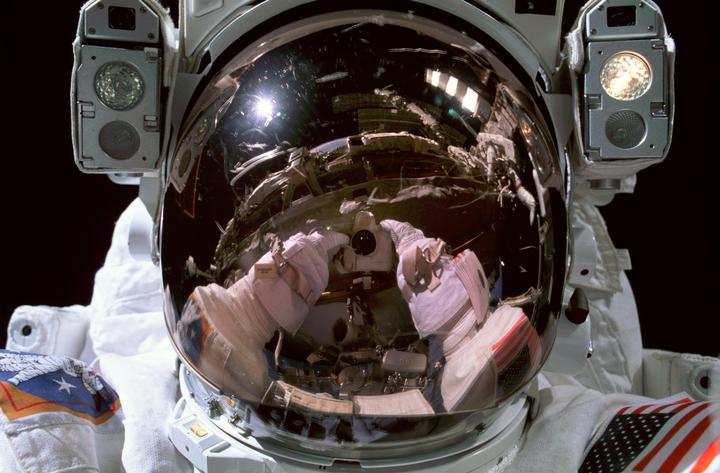
An astronaut in a spacesuit takes a self-portrait with a camera, reflected in the helmet's visor.
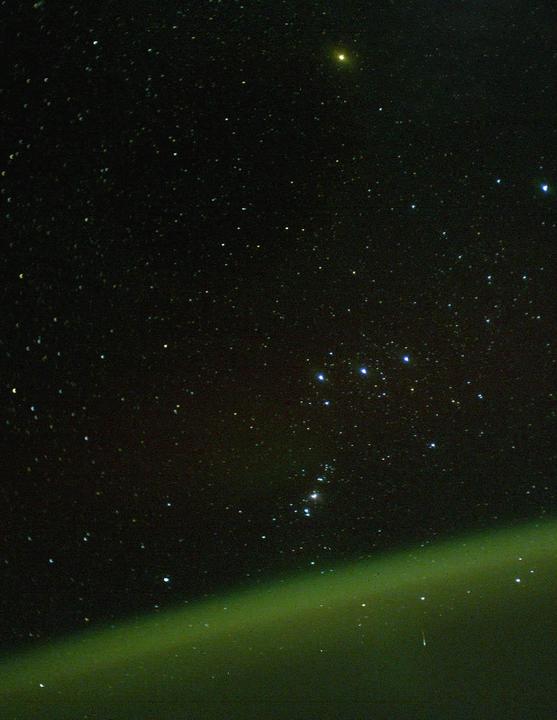
The Orion constellation is visible above a green atmospheric glow.
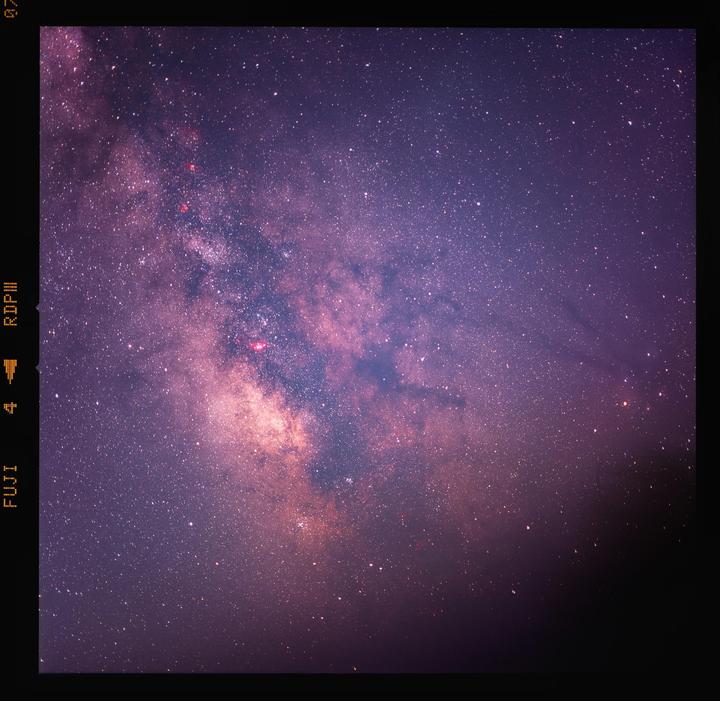
The Milky Way galaxy is visible in the night sky.
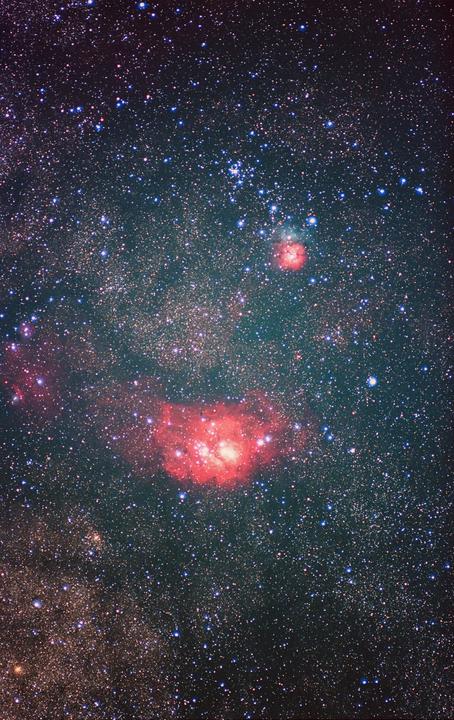
A long exposure photograph captures the Lagoon Nebula and surrounding stars.
A vast expanse of stars and nebulae fills the frame, with two prominent red nebulae glowing brightly.
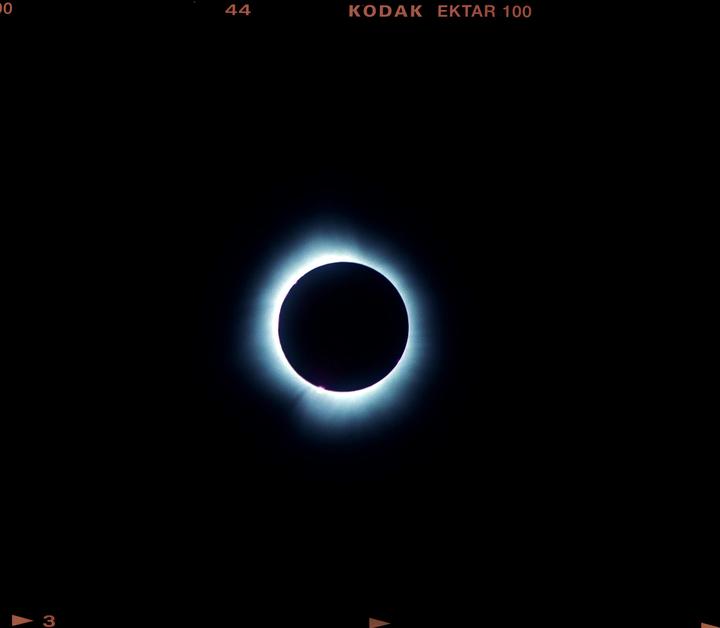
A total solar eclipse is visible against a dark sky.
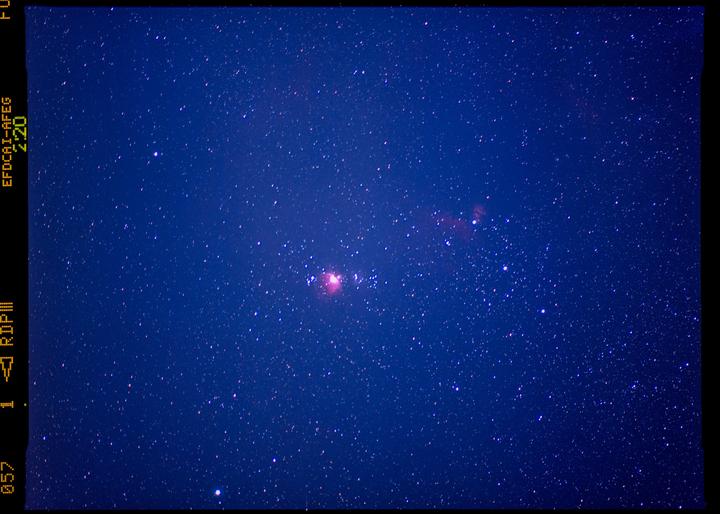
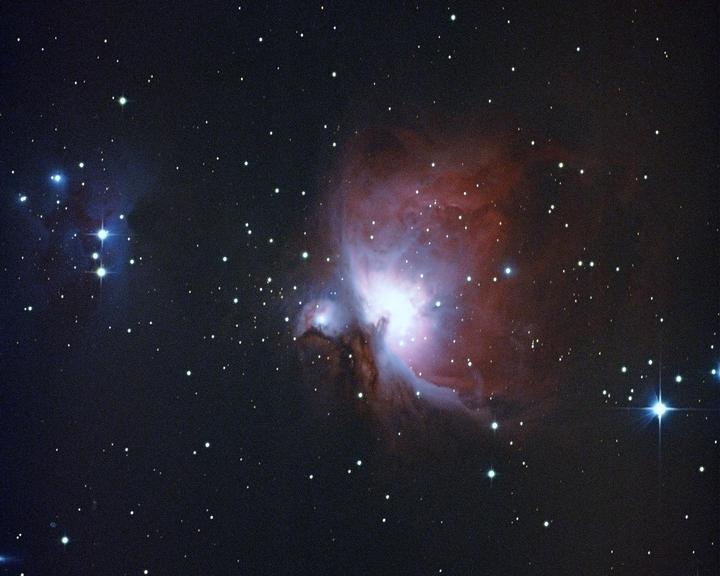
The Orion Nebula is visible in a dark blue night sky filled with stars.
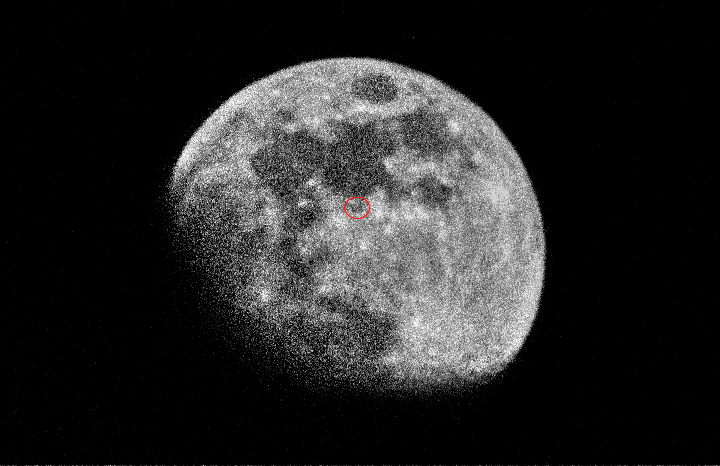
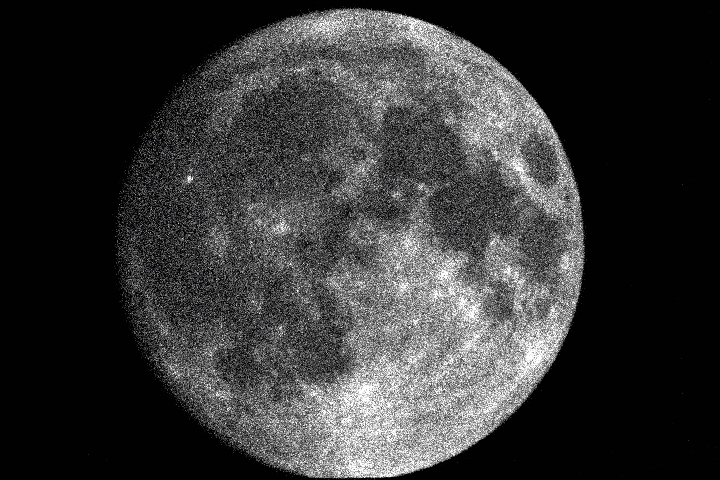
The moon is visible in the night sky with a red circle highlighting a small object.
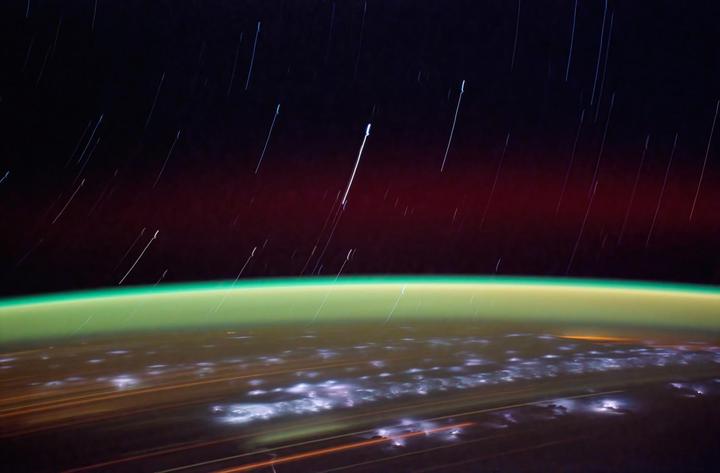
A long exposure photograph from space shows star trails above the green glow of Earth's atmosphere and city lights.
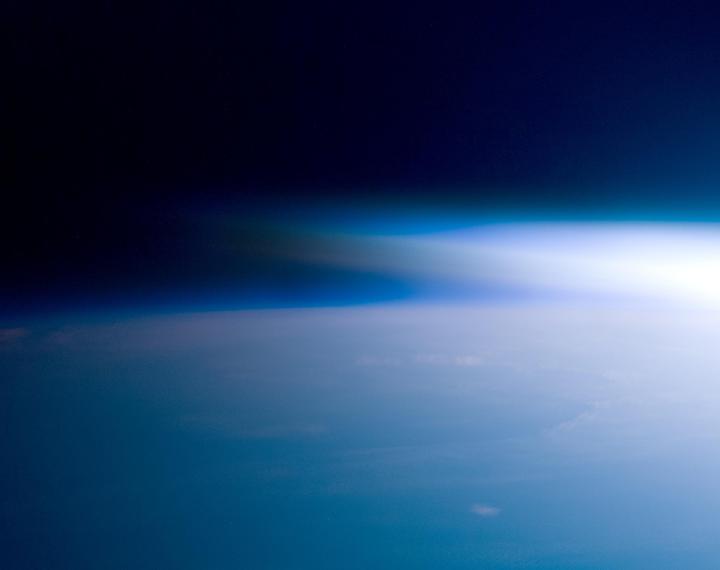
The Belt of Venus is visible from the International Space Station.
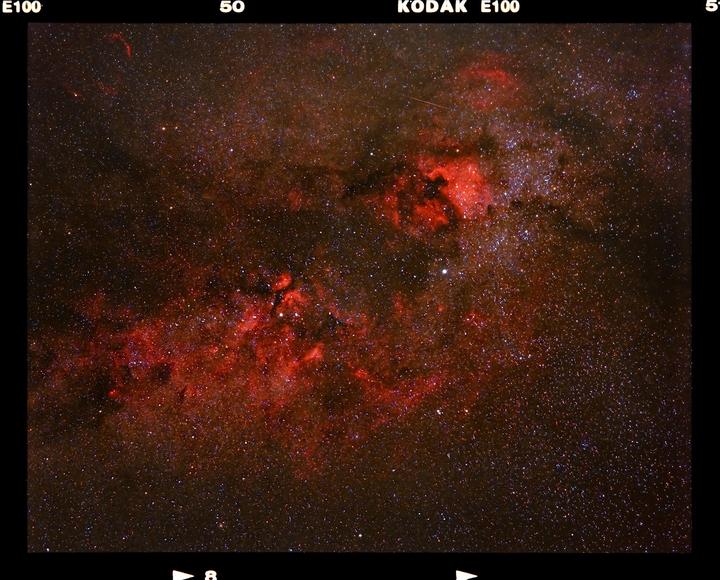
A dark sky is filled with countless stars and red interstellar hydrogen clouds.
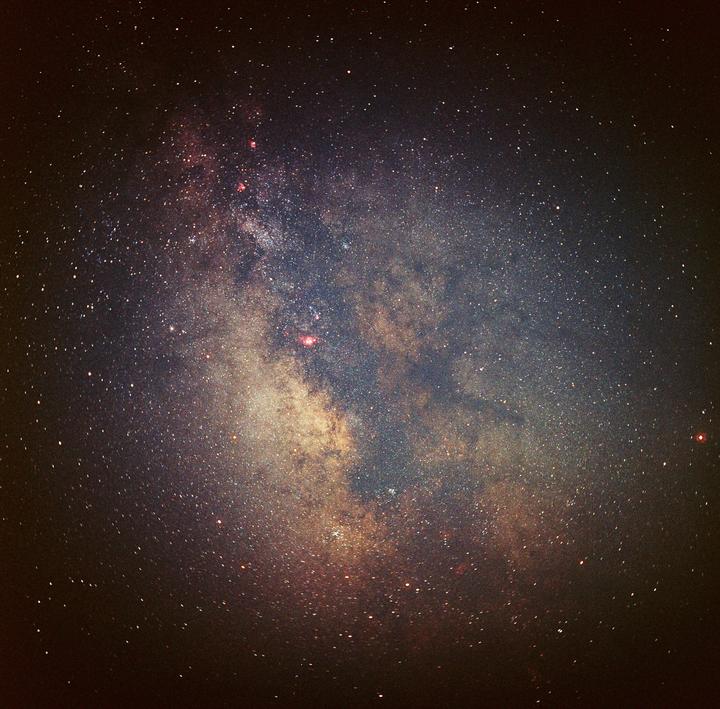
The Milky Way is visible in the night sky, filled with countless stars and cosmic dust.
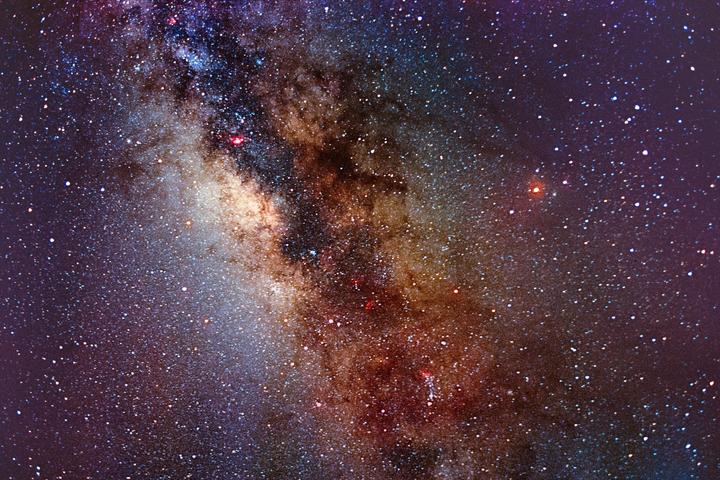
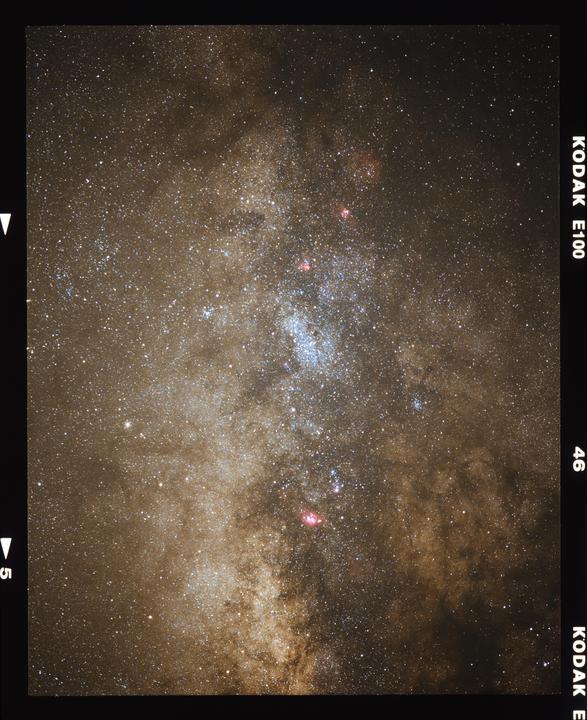
The Milky Way is visible with many stars and some red and blue nebulae.
A detailed view of the moon, showing its craters and texture, is captured against a dark sky.
A dense field of stars and cosmic dust forms the Cygnus region of the Milky Way.
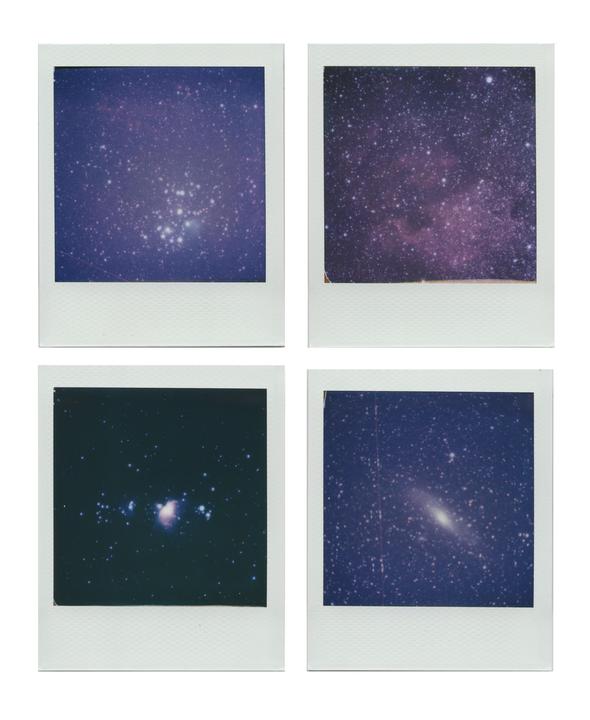
Four instant film prints show different deep space objects, including the Pleiades, North American Nebula, Orion Nebula, and Andromeda Galaxy.
An astronaut in a space suit takes a self-portrait with a camera, reflected in the helmet's visor.
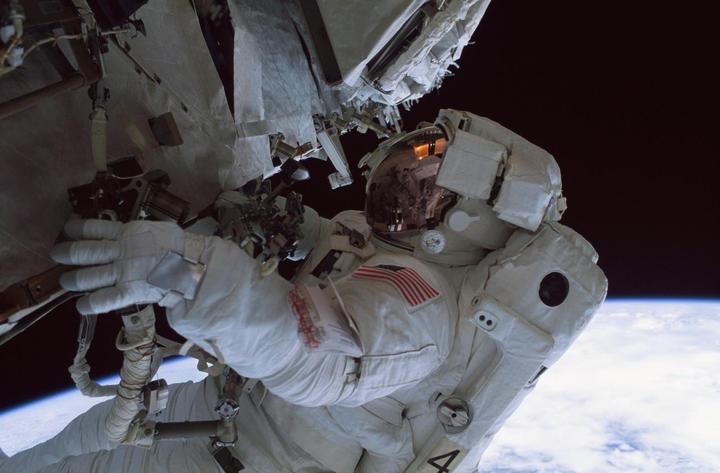
An astronaut in a spacesuit is performing a spacewalk with the Earth and space visible in the background.
The Milky Way is visible in the night sky, with a dark area at the bottom right.
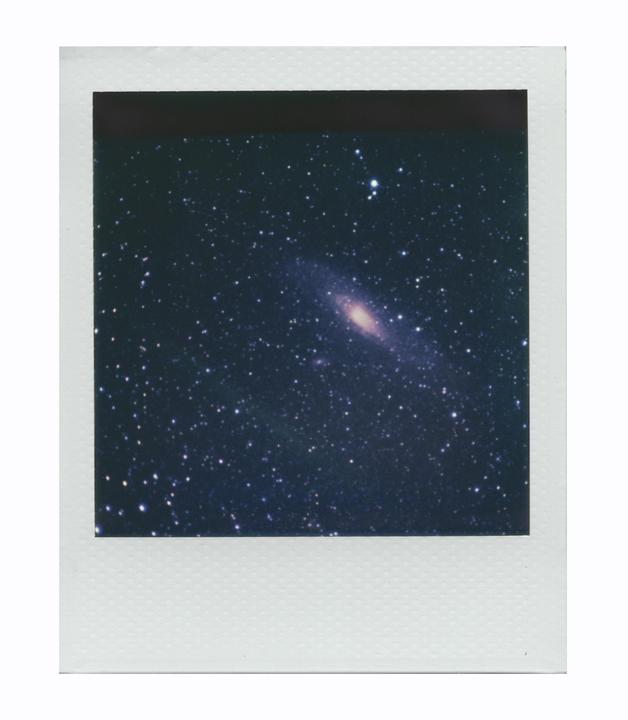
The Andromeda Galaxy is visible in a dark sky filled with many stars.
A bright nebula with red and blue hues is surrounded by numerous stars in a dark sky.
The milky way core is visible in a night sky filled with stars and nebulae.
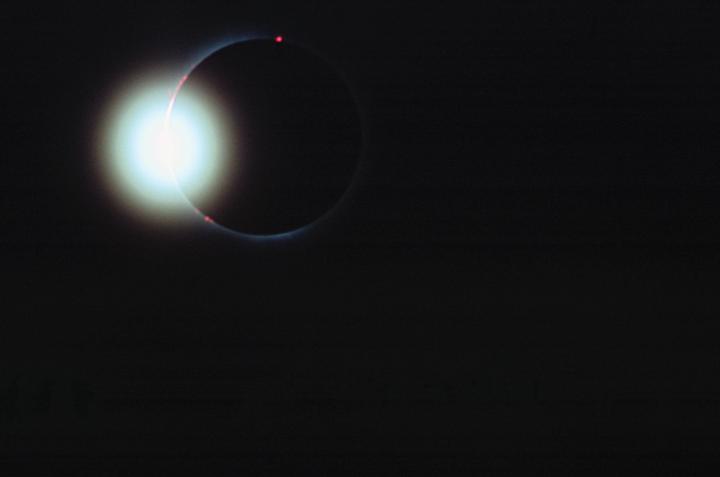
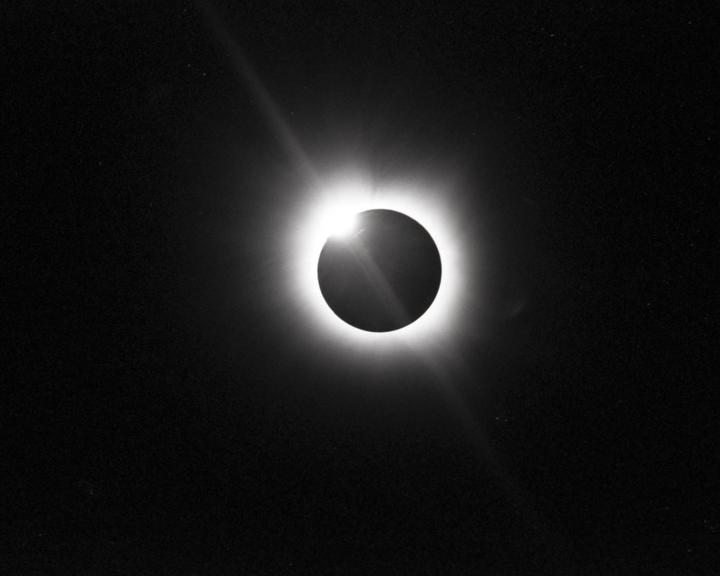
A solar eclipse is visible against a dark sky with bright light emanating from behind the moon.
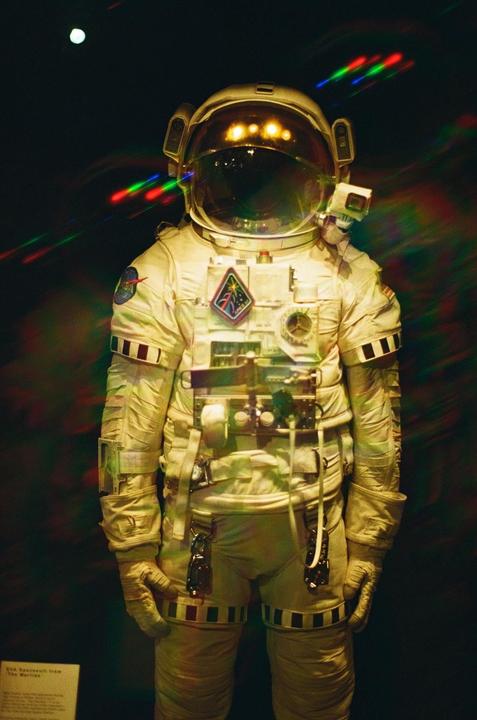
An astronaut suit stands in a dark room with colorful light streaks and a bright orb in the background.
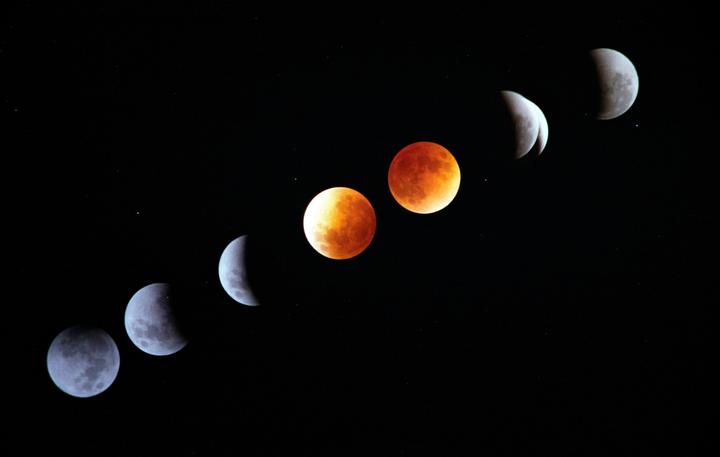
A composite image shows the moon in various phases of a lunar eclipse against a dark sky with stars.
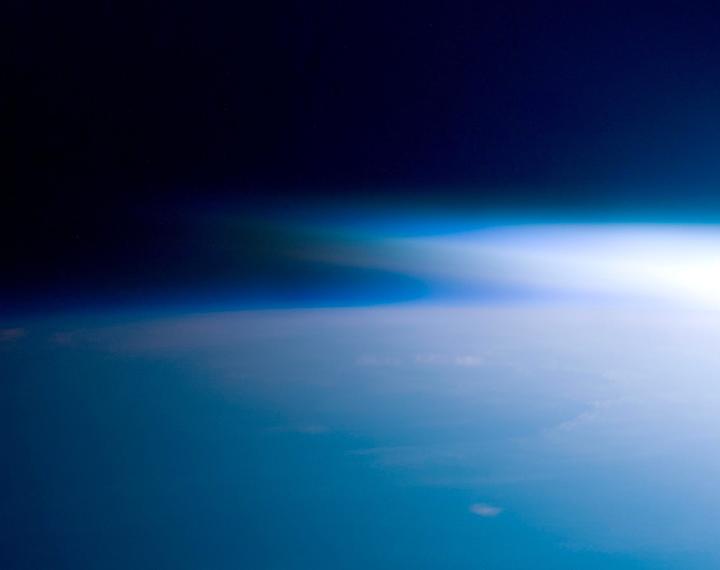
The Belt of Venus is visible above the Earth's atmosphere.
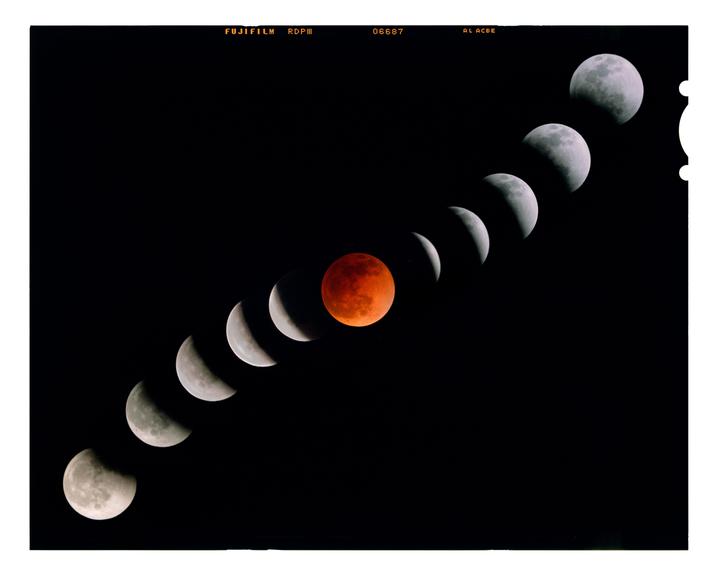
A sequence of moons in various phases of an eclipse is arranged diagonally against a black sky, with one moon appearing red.
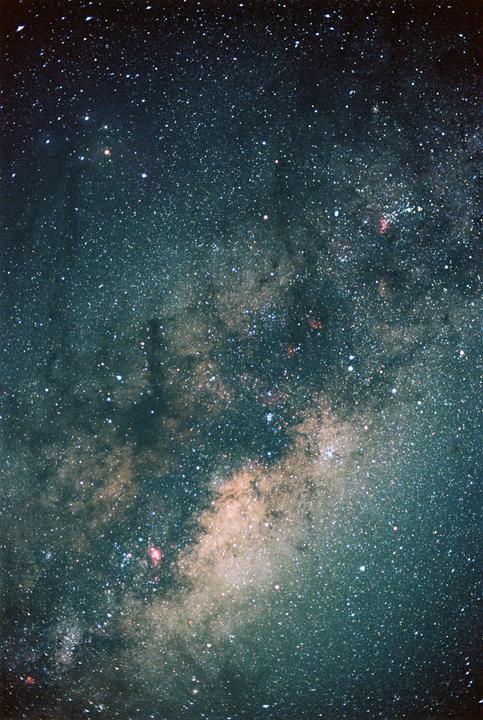
The Milky Way is visible in the night sky, with many stars and some nebulae.
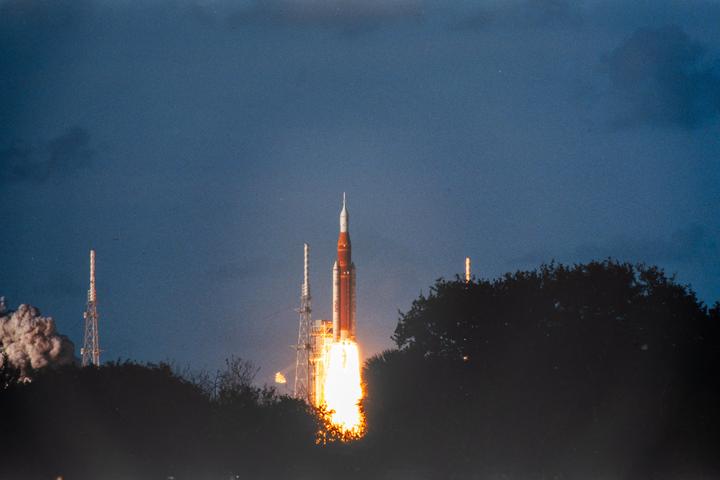
A rocket launches into a dark sky, with bright orange flames and smoke billowing from its base.
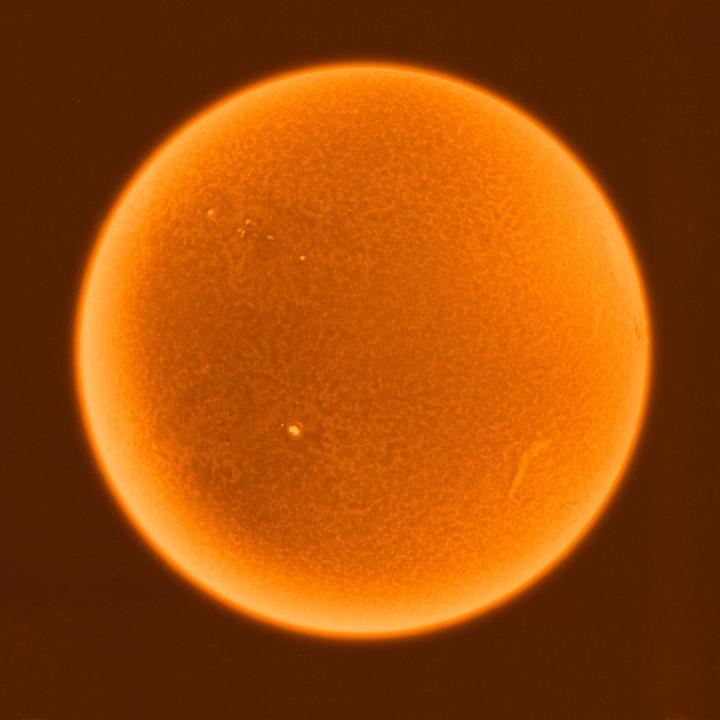
The surface of the sun is visible with several sunspots.
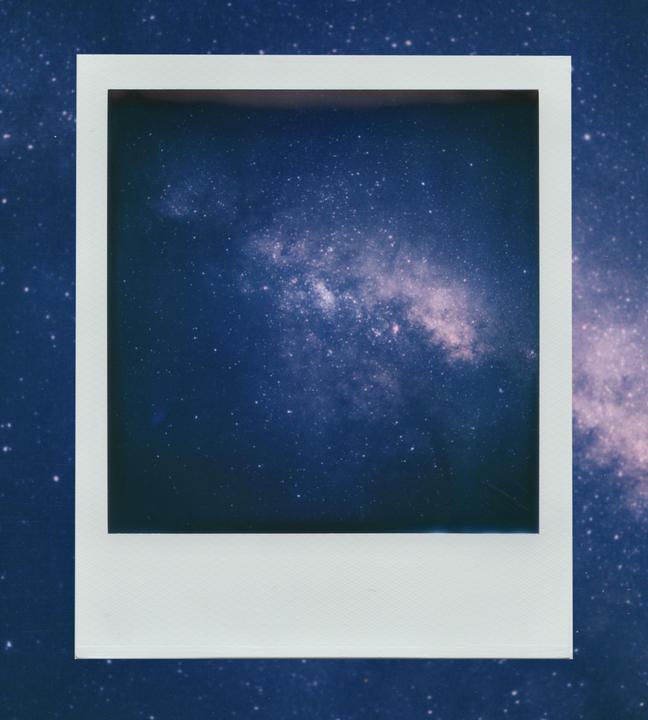
A polaroid photograph of the milky way core is placed on a background of the milky way.
A total solar eclipse is visible in the night sky.
The full moon is visible in the night sky with a small bright spot on its surface.

thats all folks, go take some pictures...

Back to top