AnalogDB

the collection of film photography

AnalogDB

  • 44 photos
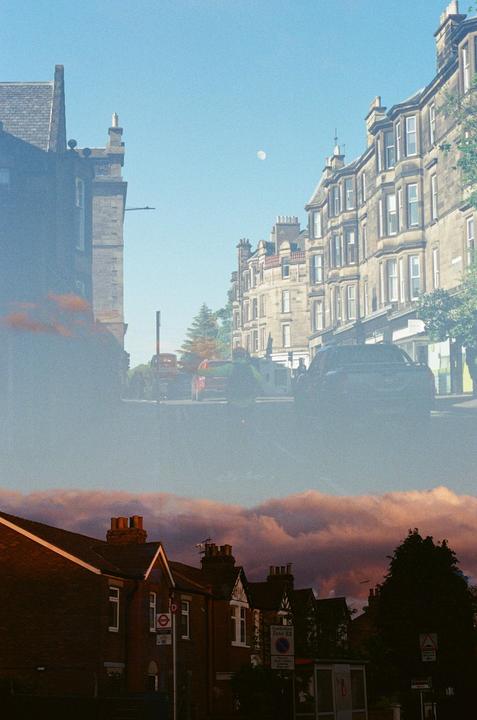
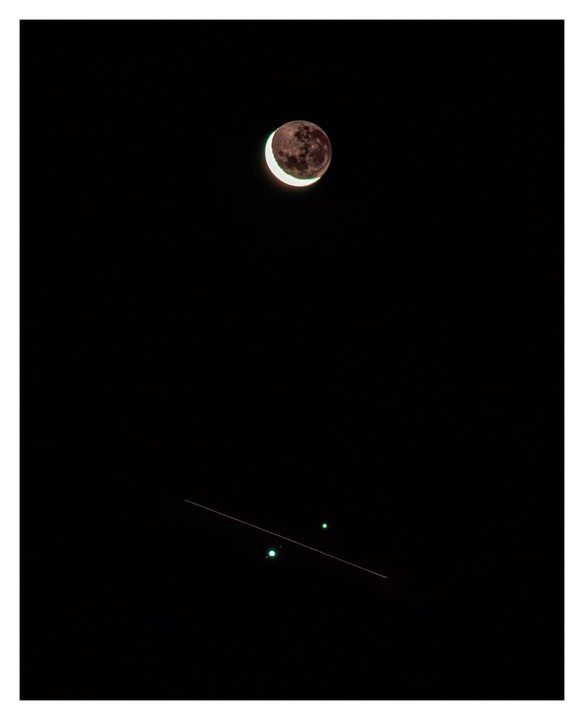
A crescent moon is visible in the night sky above a faint line and two green lights.
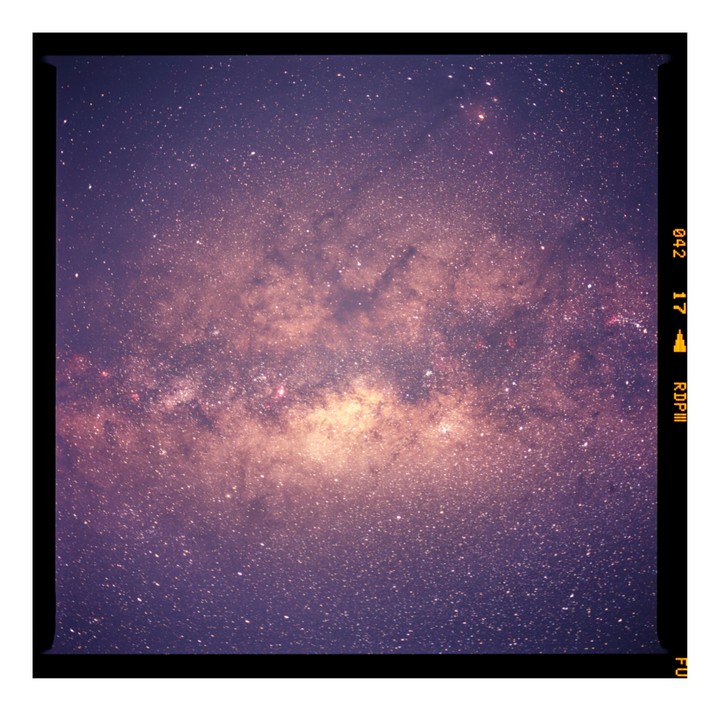
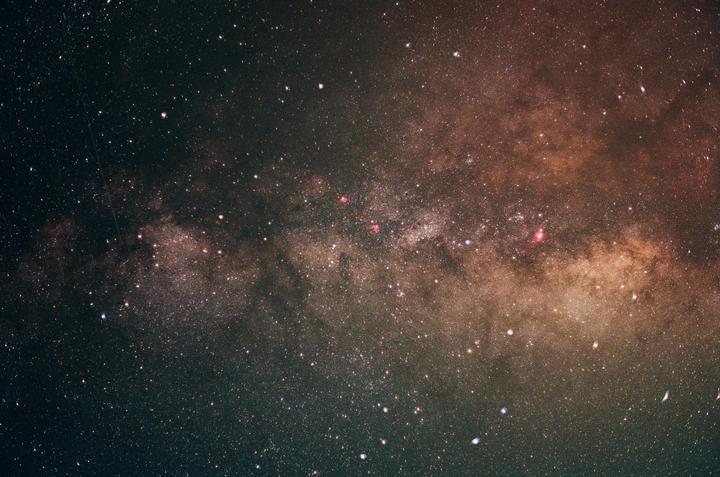
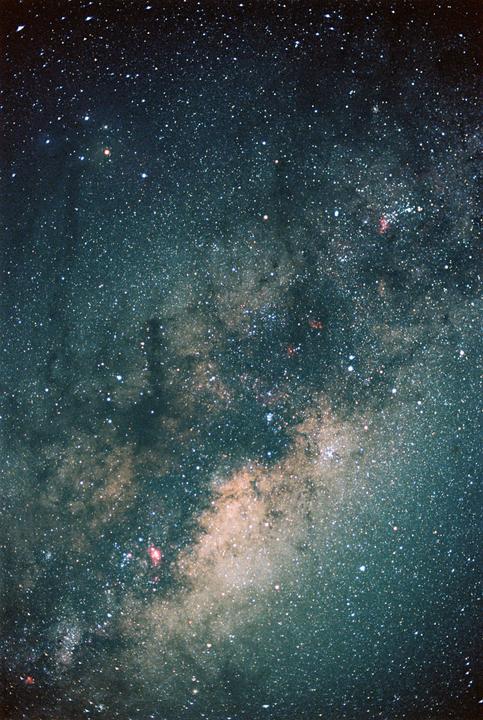
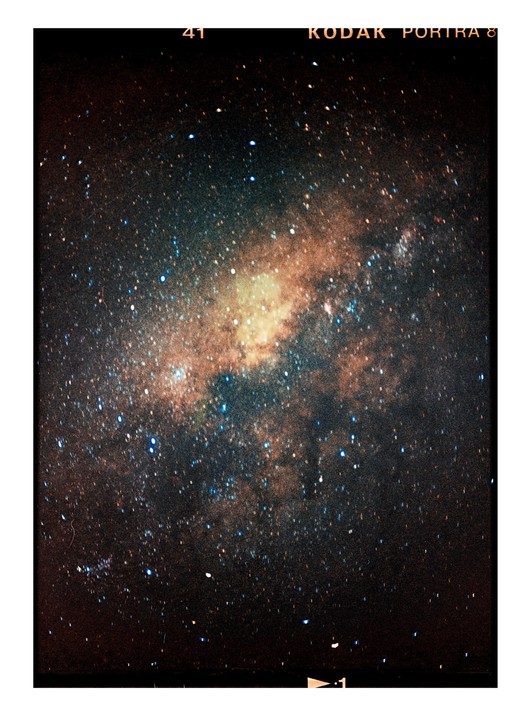
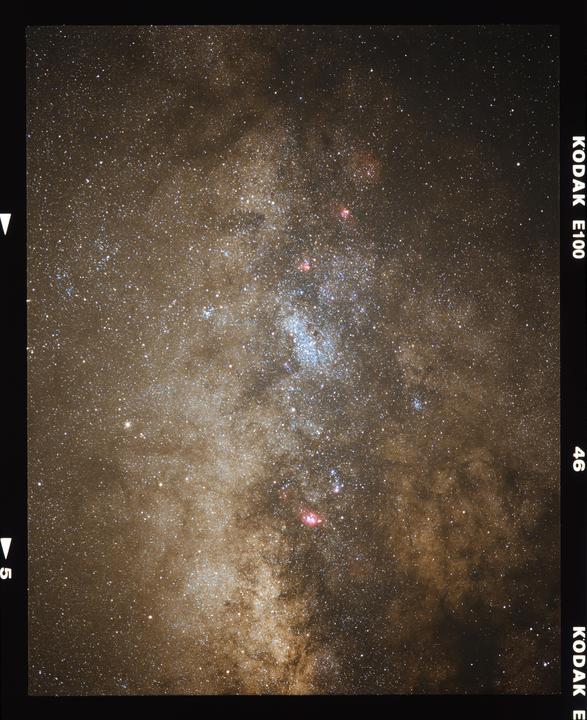
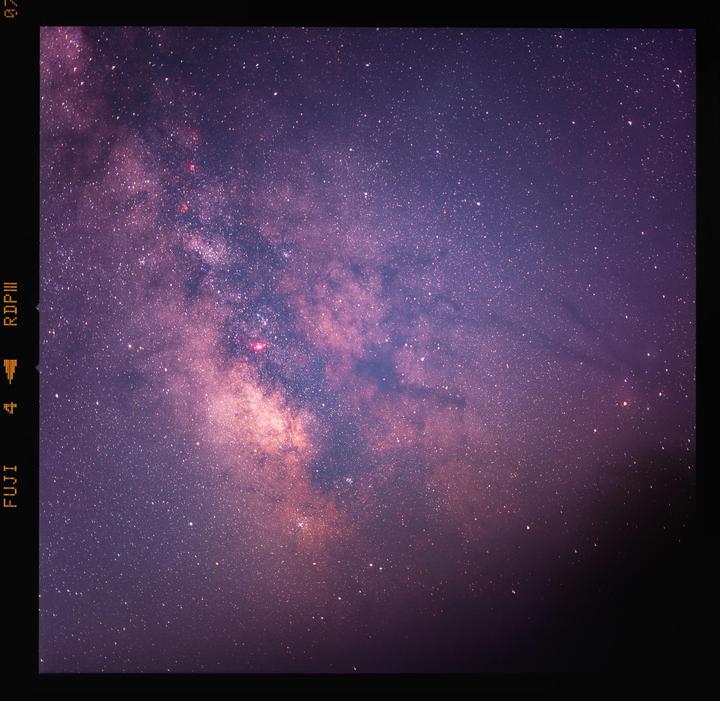
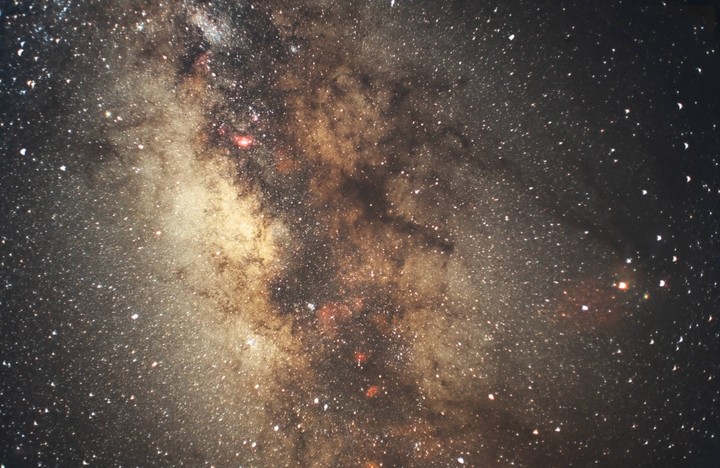
The galactic center of the Milky Way is visible with many stars and nebulae.
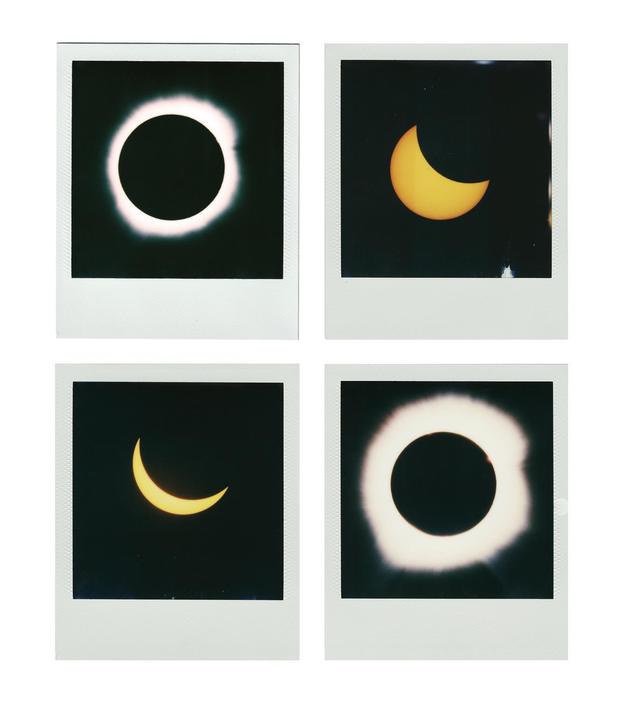
Four instant film prints show different phases of a solar eclipse.
The Milky Way is visible in the night sky, with many stars and some nebulae.
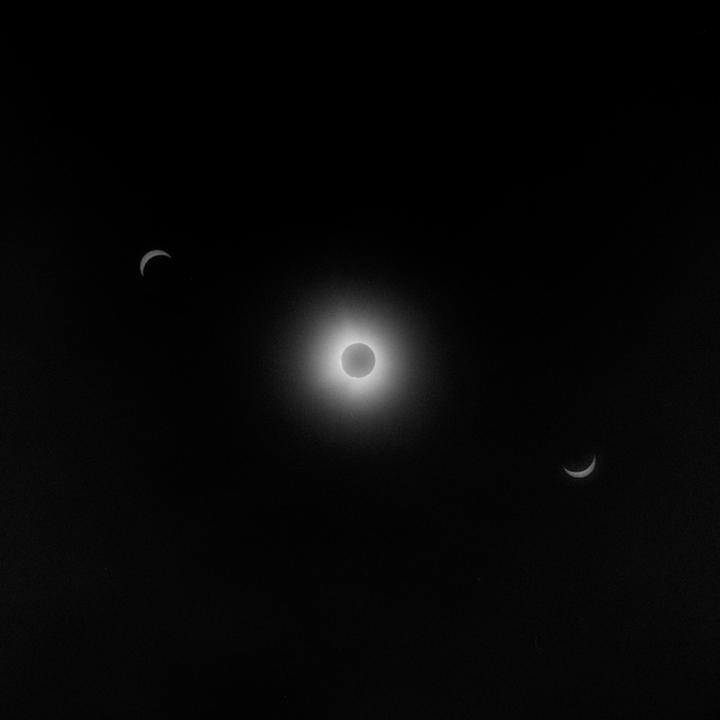
A total solar eclipse is visible in the dark sky, flanked by two crescent shapes.
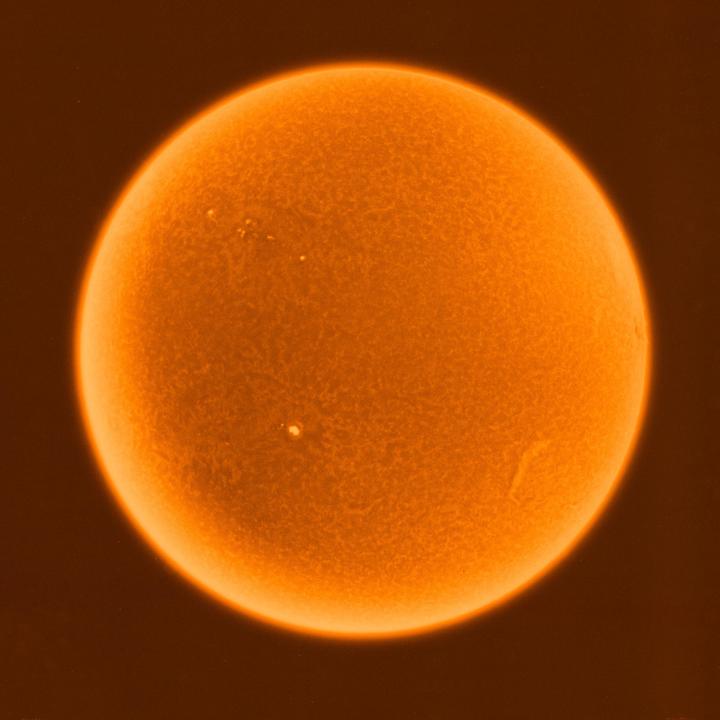
The surface of the sun is visible with several sunspots.
A dense field of stars and cosmic dust forms the Milky Way galaxy.
A total solar eclipse is visible in the night sky.
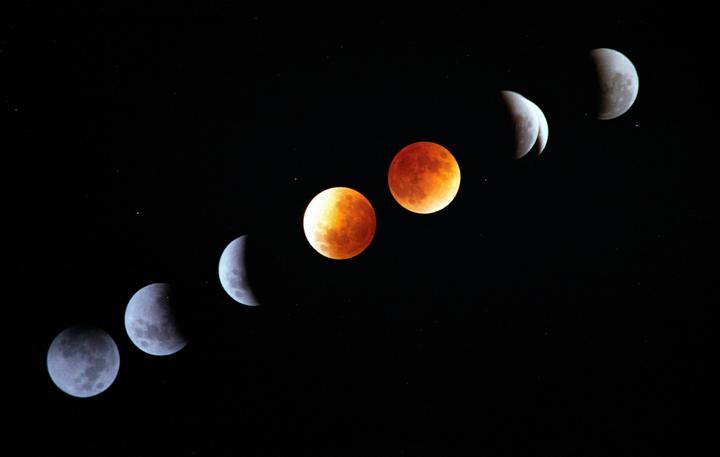
A composite image shows the moon in various phases of a lunar eclipse against a dark sky with stars.
The Milky Way is visible in a night sky full of stars.
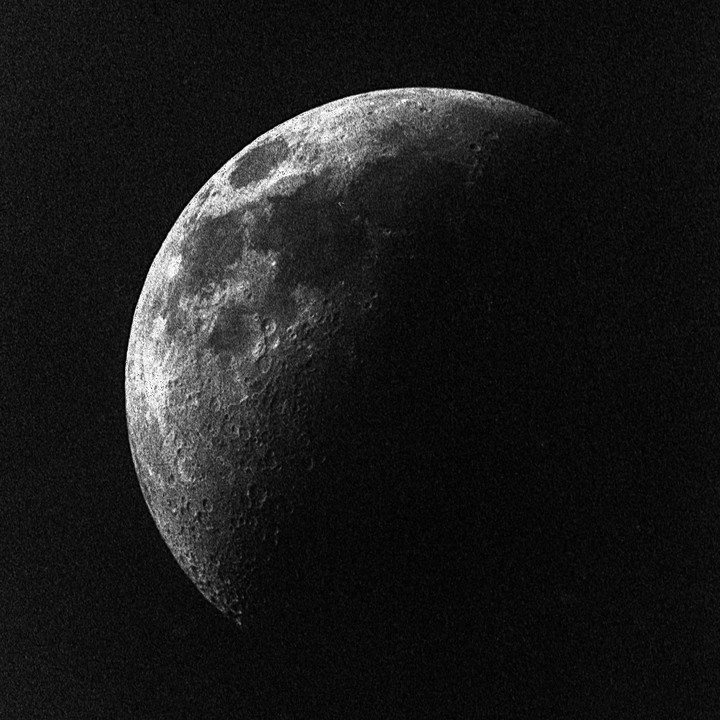
The moon is visible in the night sky, showing its craters and texture.
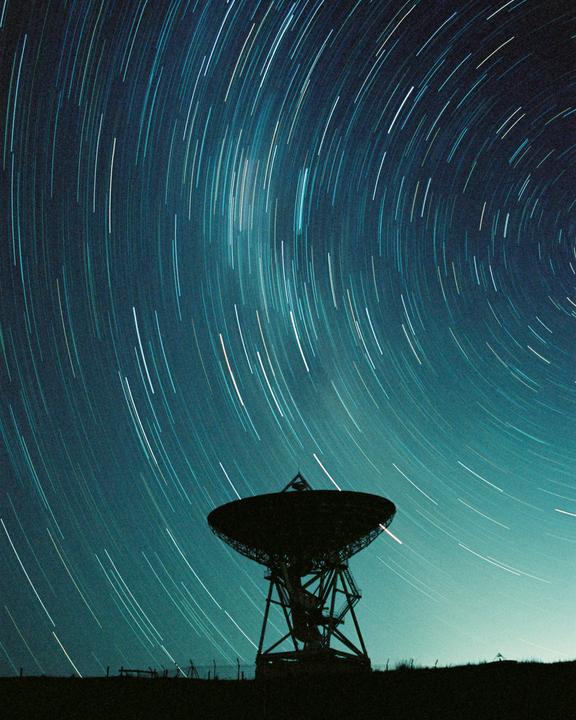
A radio telescope is silhouetted against a night sky filled with star trails.
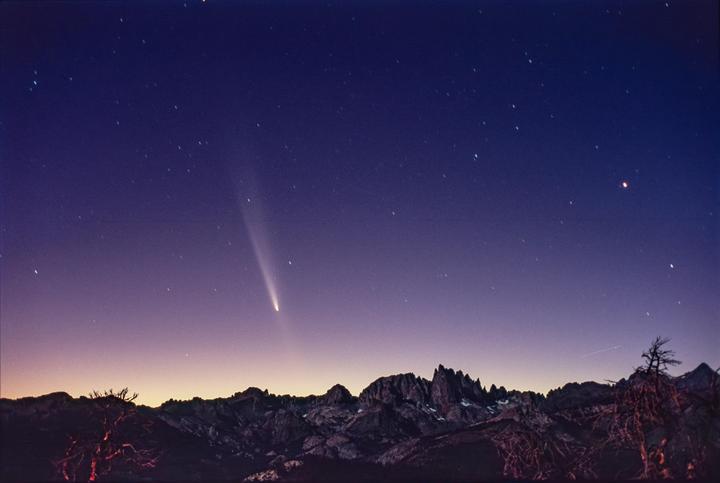
A comet with a bright tail is visible in the night sky above a mountain range.
The Milky Way galaxy is visible in the night sky.
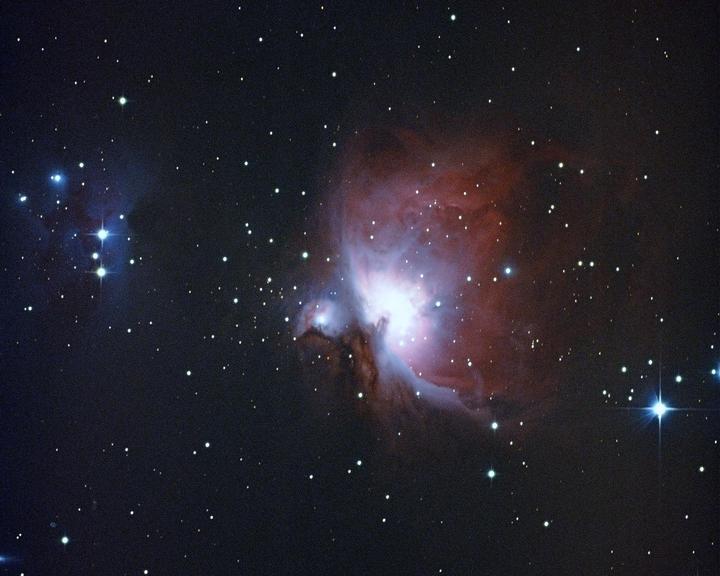
A bright nebula with red and blue hues is surrounded by numerous stars in a dark sky.
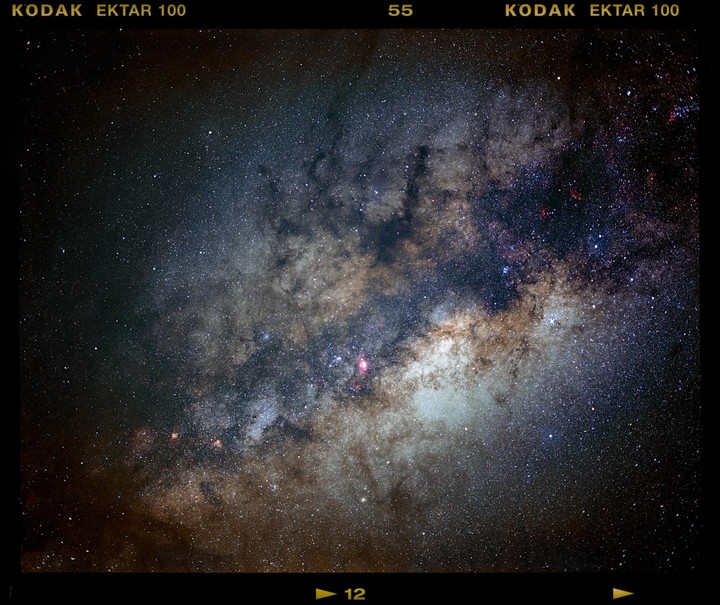
The milky way core is visible in a night sky filled with stars and nebulae.
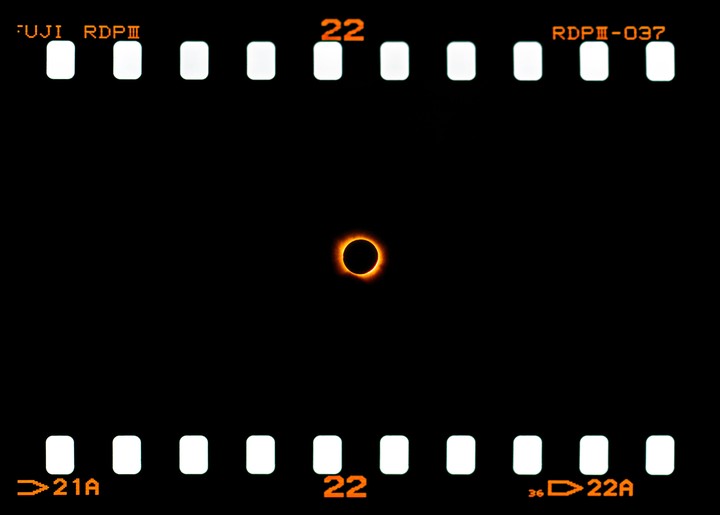
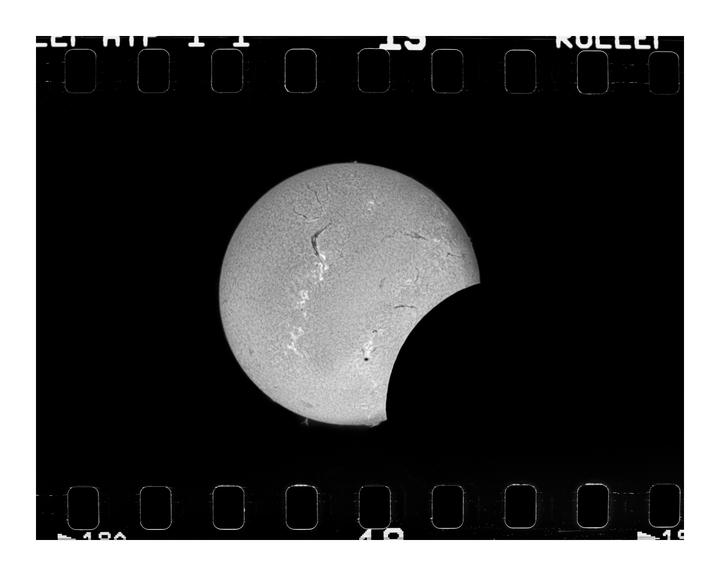
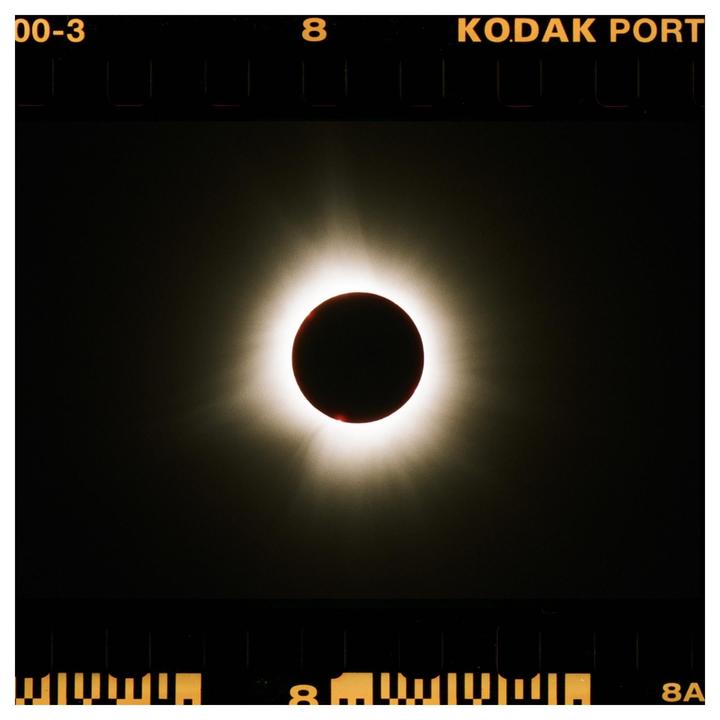
A solar eclipse is visible through a film strip with sprocket holes.
The moon is visible in the night sky, showing its craters and texture.
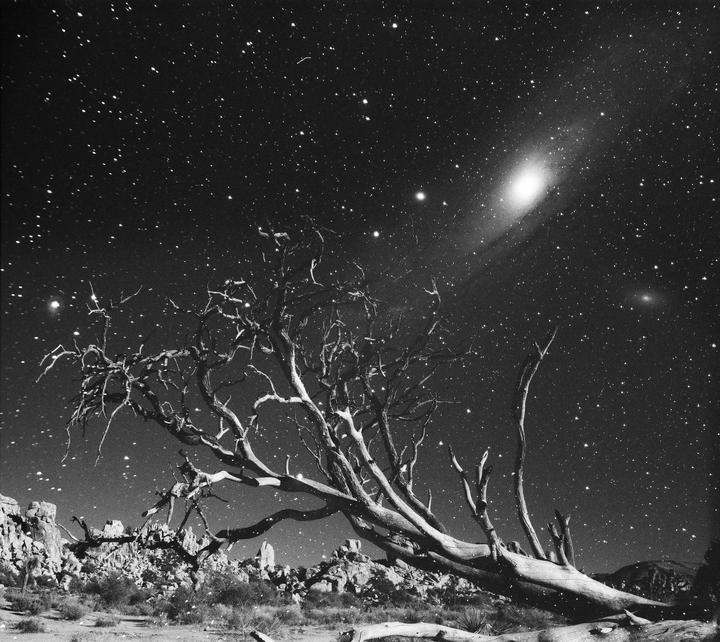
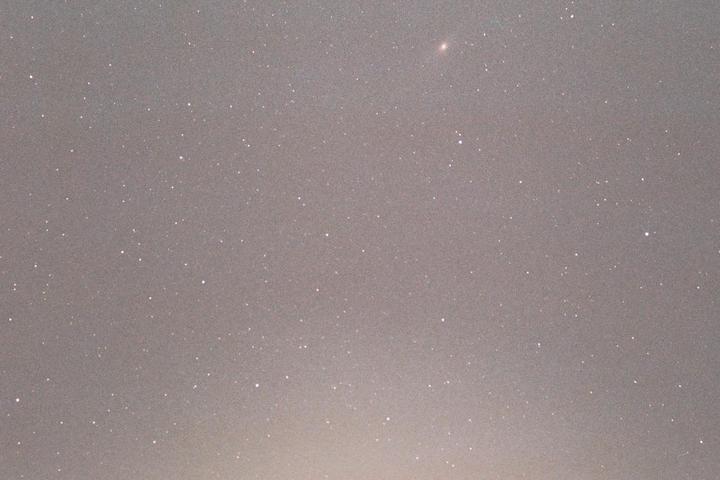
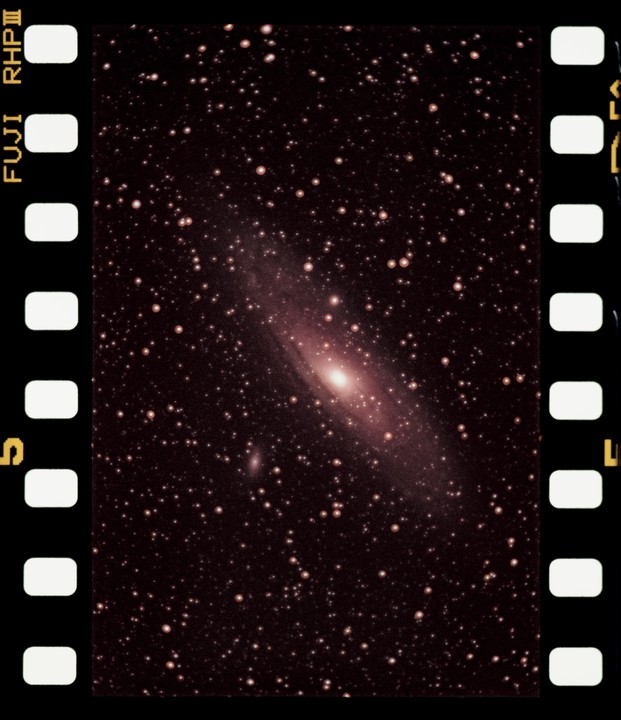
The Andromeda galaxy is visible among many stars in the night sky.
The Milky Way is visible in the night sky, with a dark area at the bottom right.
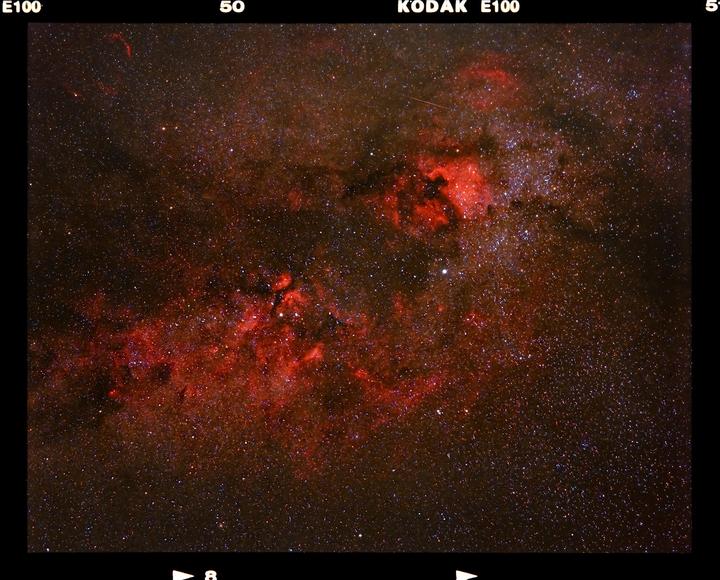
A dark sky is filled with countless stars and red interstellar hydrogen clouds.
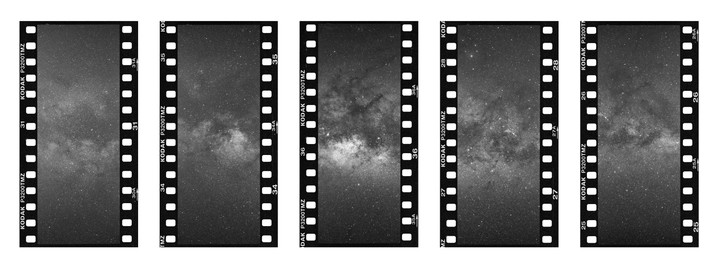
Five strips of film show a mosaic of the Milky Way.
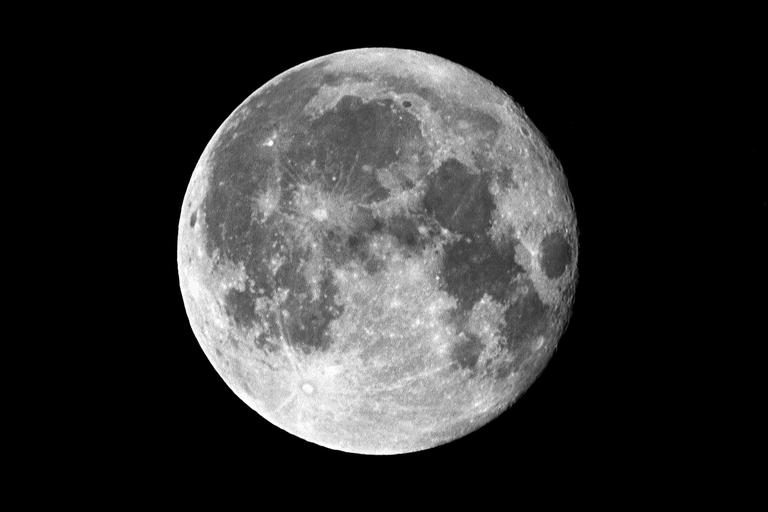
The full moon is visible against a black sky, showing its craters and texture.
A galaxy is visible in the night sky, surrounded by many stars.
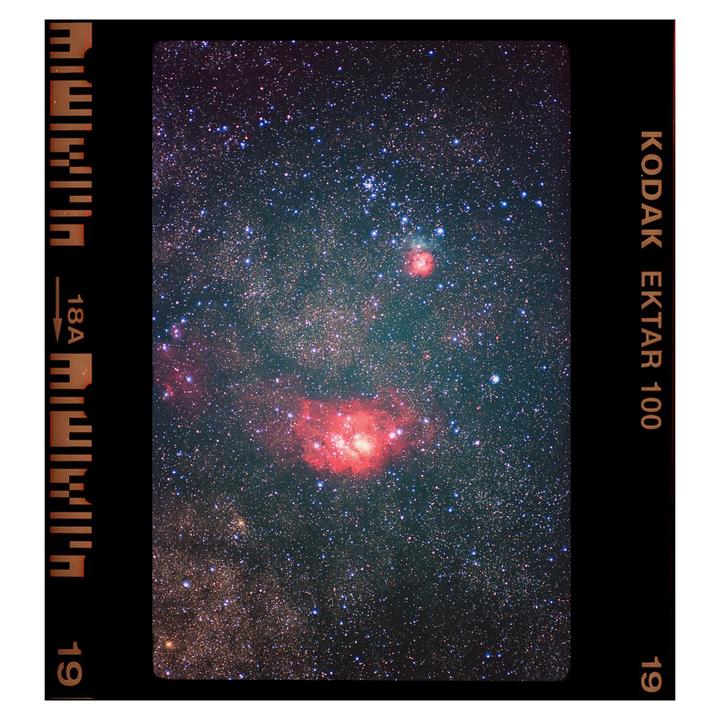
A long exposure photograph captures the Lagoon Nebula and surrounding stars.
The Milky Way is visible with many stars and some red and blue nebulae.
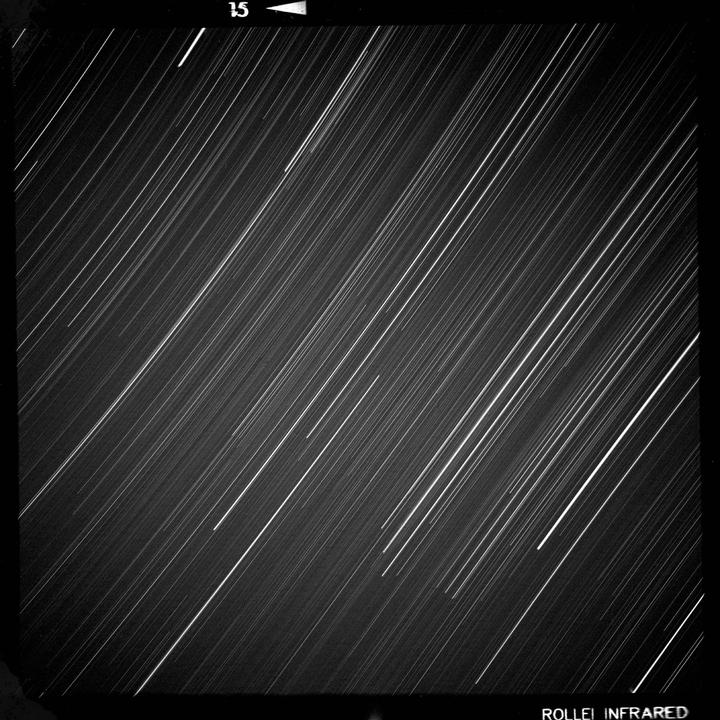
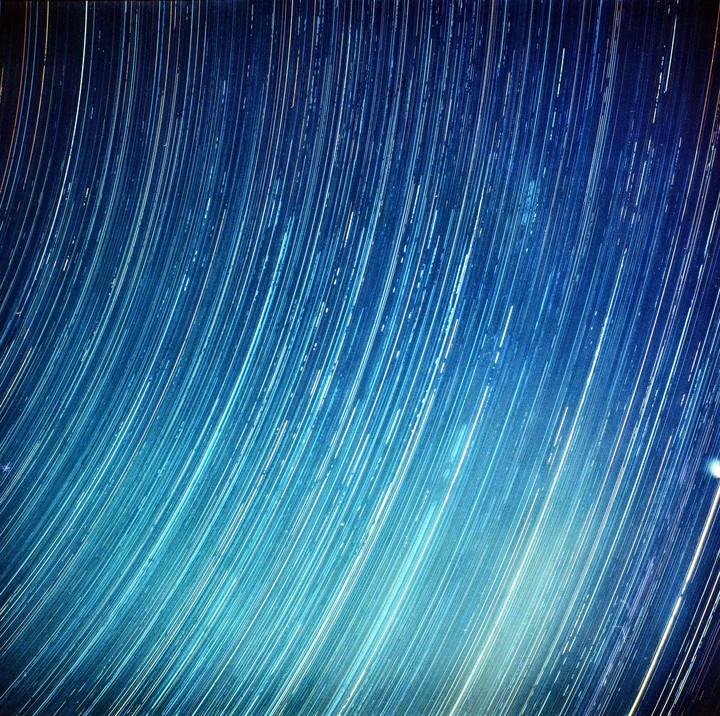
Numerous bright star trails streak across a dark night sky.
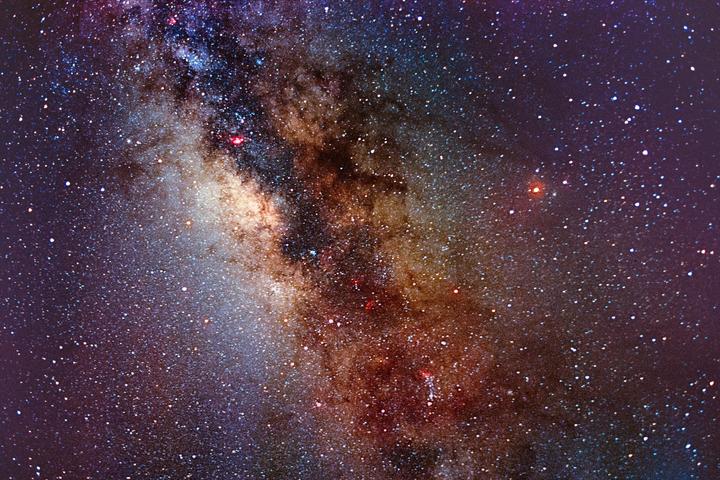
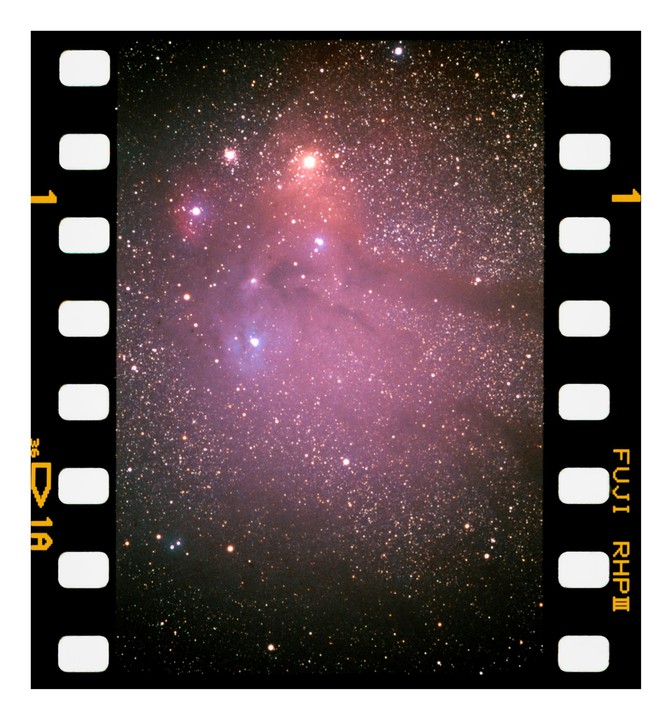
A long exposure photograph captures the Rho Ophiuchi cloud complex, revealing a vibrant nebula and numerous stars.
A total solar eclipse is visible against a dark sky.
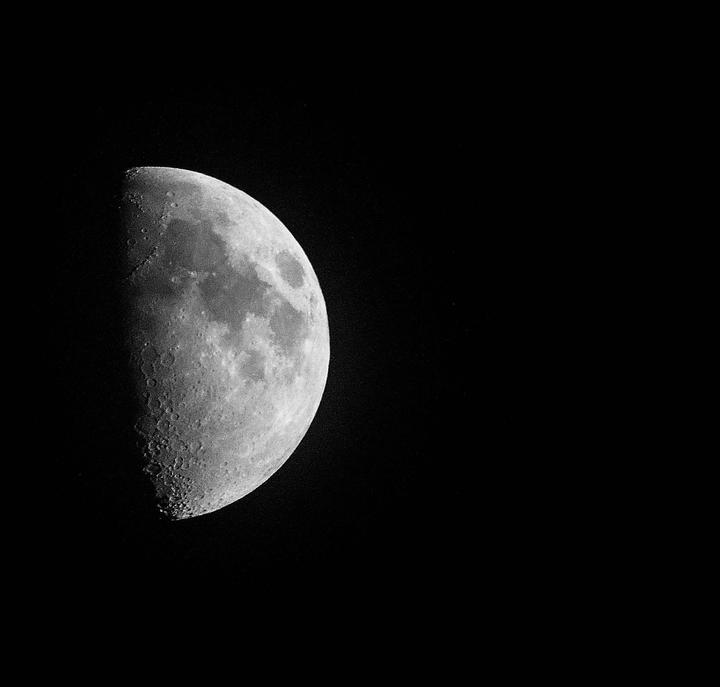
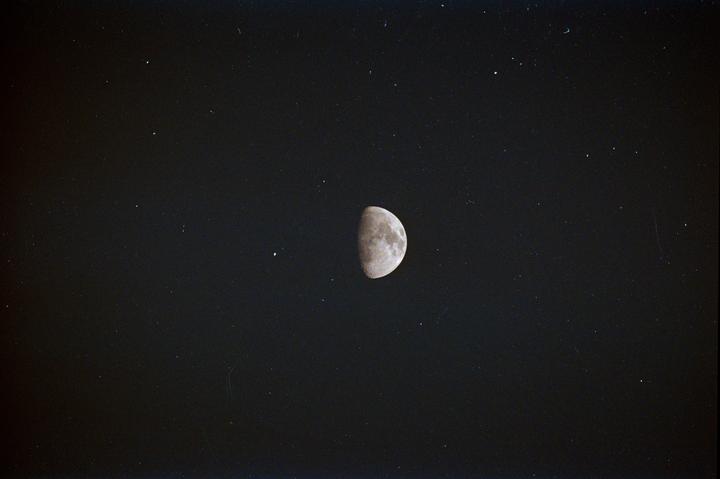
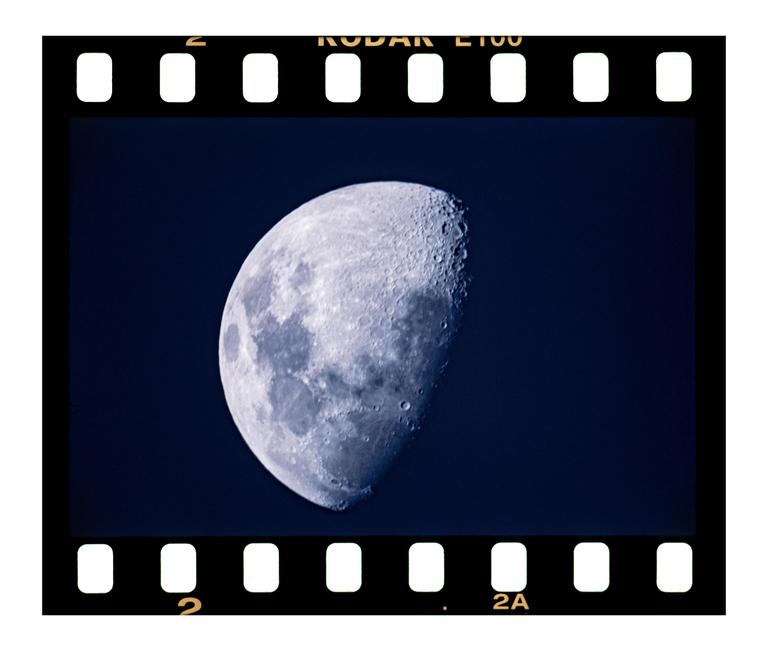
A half moon is visible in a dark sky filled with tiny white specks.
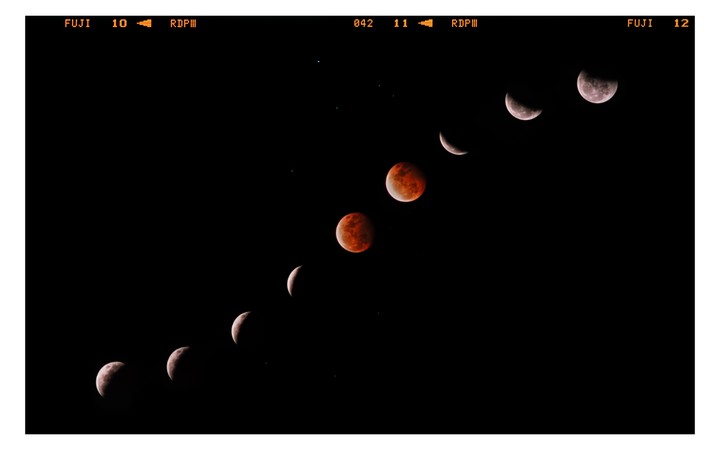
A sequence of moon phases, including a red lunar eclipse, is visible against a dark night sky.
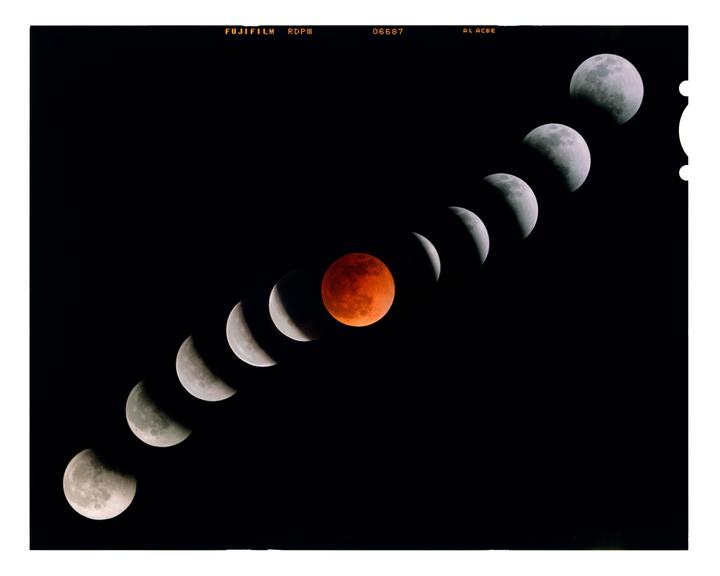
A sequence of moons in various phases of an eclipse is arranged diagonally against a black sky, with one moon appearing red.
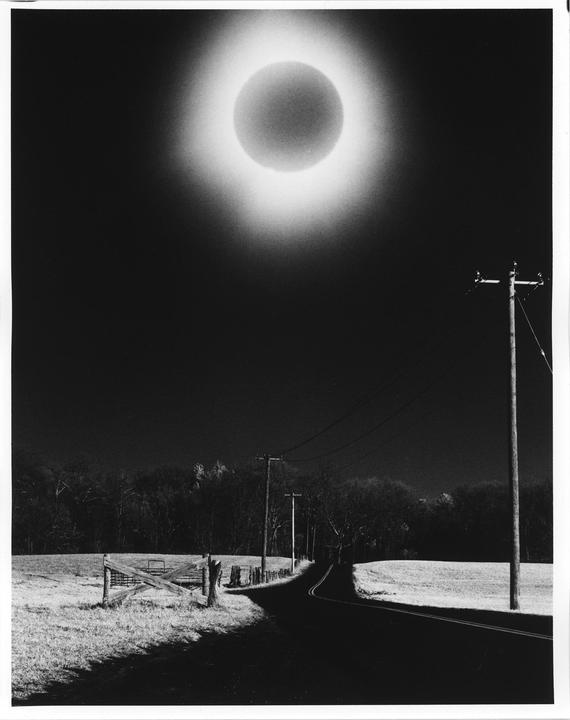
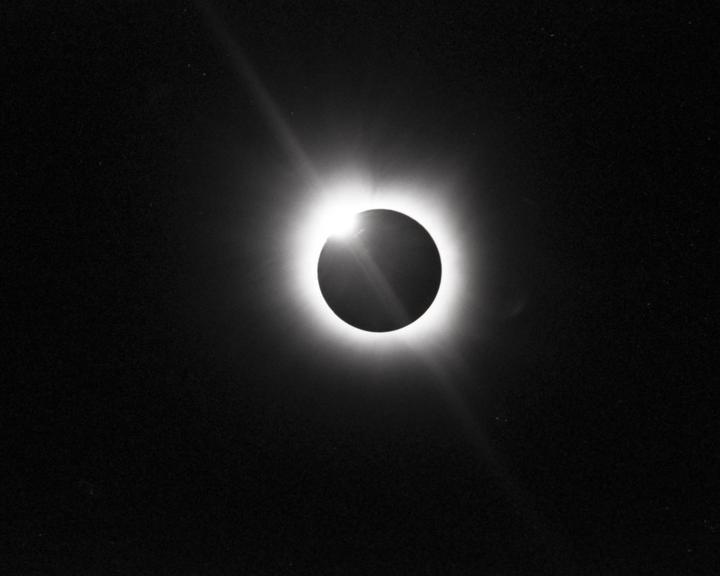
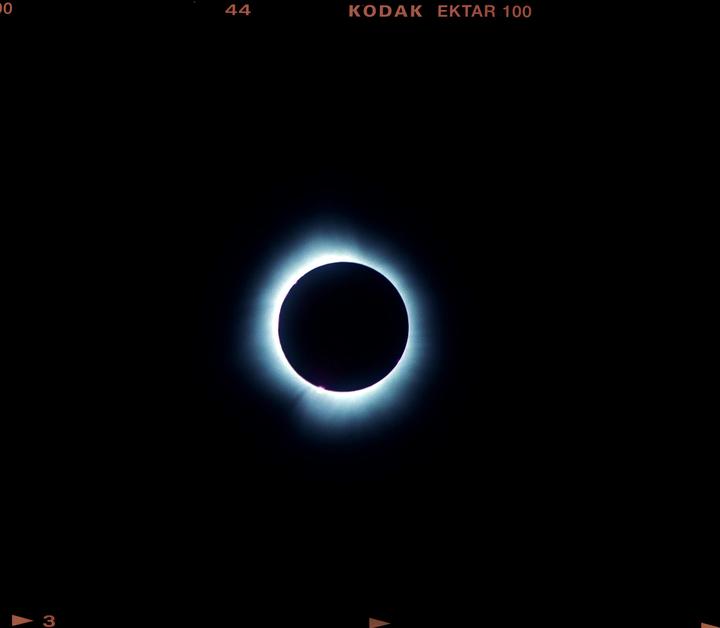
A total solar eclipse is visible with a bright corona around the moon.
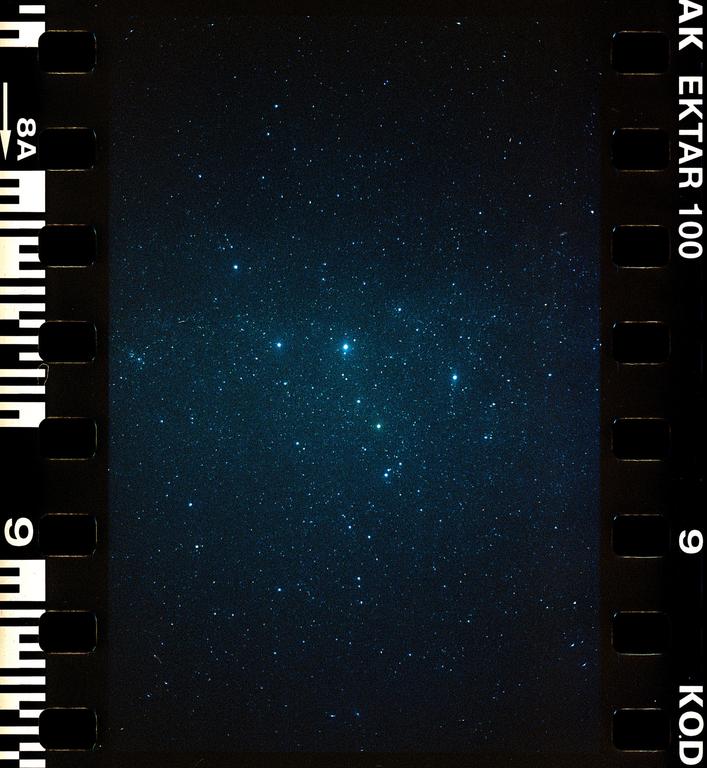
A dark night sky is filled with numerous bright stars, with a cluster of prominent stars visible in the center.
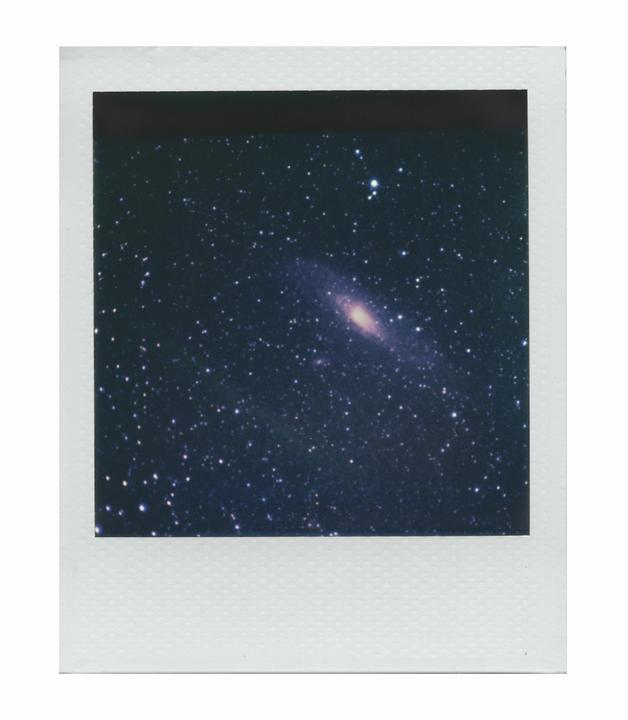
The Andromeda Galaxy is visible in a dark sky filled with many stars.
A long exposure photograph captures the movement of stars across a blue night sky, creating streaks of light.
The Milky Way galaxy is visible with countless stars and cosmic dust clouds.
A detailed view of the moon, showing its craters and texture, is captured against a dark sky.
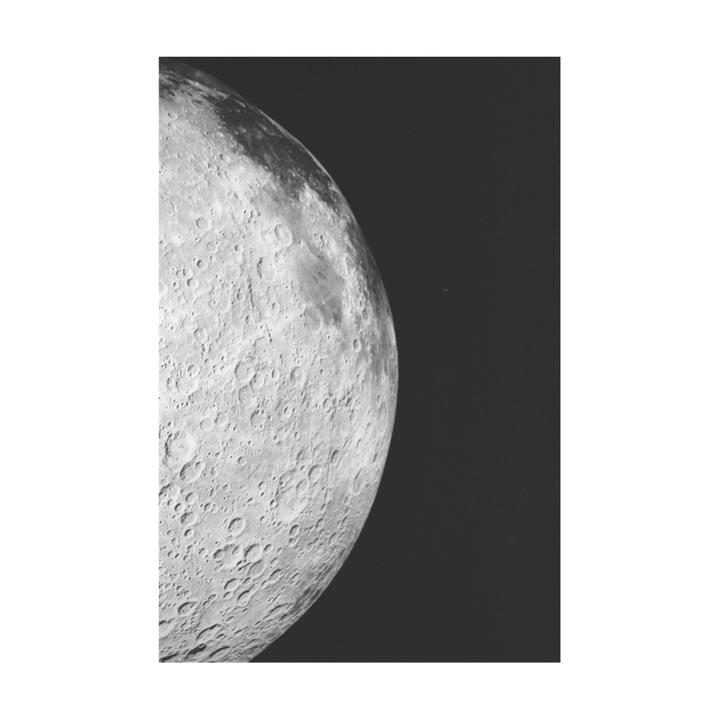
The moon's cratered surface is visible against a dark sky.
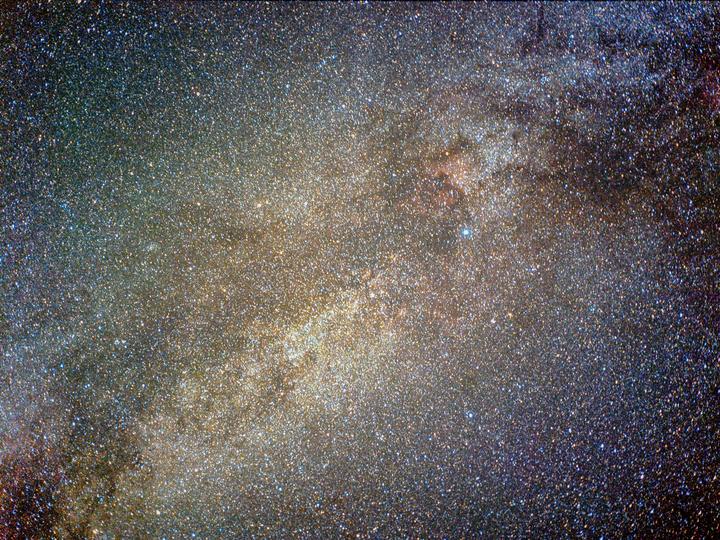
A dense field of stars and cosmic dust forms the Cygnus region of the Milky Way.
Back to top