CANON 1N
- 28 photos
The Canon EOS-1N, released in November 1994, was Canon's flagship professional 35mm SLR that superseded the original EOS-1 with significant improvements including a 5-point autofocus system, enhanced weather sealing, and expanded exposure capabilities. The camera featured a rugged polycarbonate body without built-in flash (intentionally omitted for professional durability), 100% viewfinder coverage, and multiple metering modes including 16-zone evaluative and spot metering with shutter speeds from 30 seconds to 1/8000s. Optional power accessories like the PB-E1 Power Booster could increase the frame rate from 3 to 6 fps, while a specialized EOS-1N RS variant offered 10 fps shooting with a fixed pellicle mirror. The camera also served as the foundation for Canon's first digital SLRs through collaboration with Kodak in the late 1990s, before being replaced by the EOS-1V in 2000.

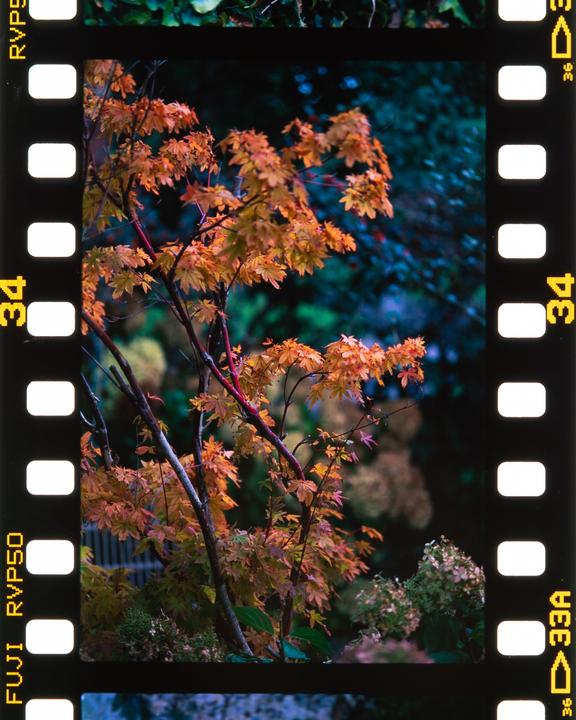
![Lifeguard Station [Canon 1n,50mm 1.8, Portra 400]](https://d3i73ktnzbi69i.cloudfront.net/f2571a7f-ecb8-4e28-a786-bf9b85bdb45f.jpeg)
![Test roll [canon 1n, 50mm f/1.8, Kodak 400]](https://d3i73ktnzbi69i.cloudfront.net/bc571adb-539b-4f95-b4c5-4b7498cd7364.jpeg)
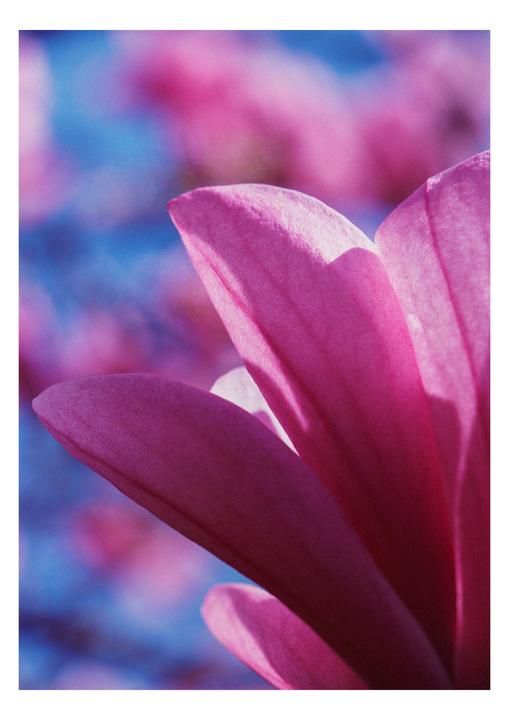
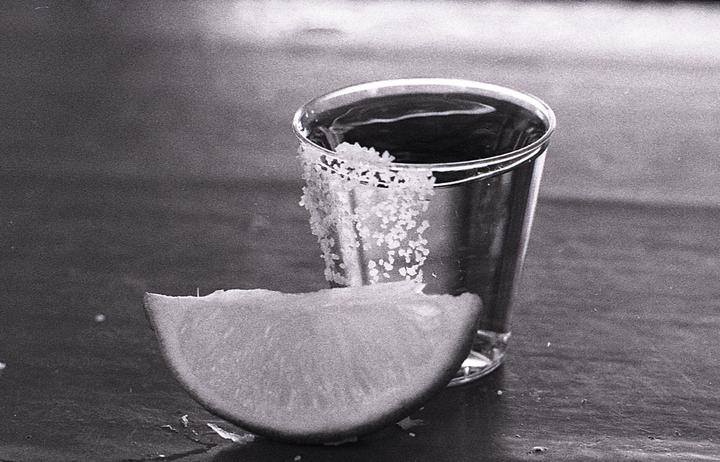
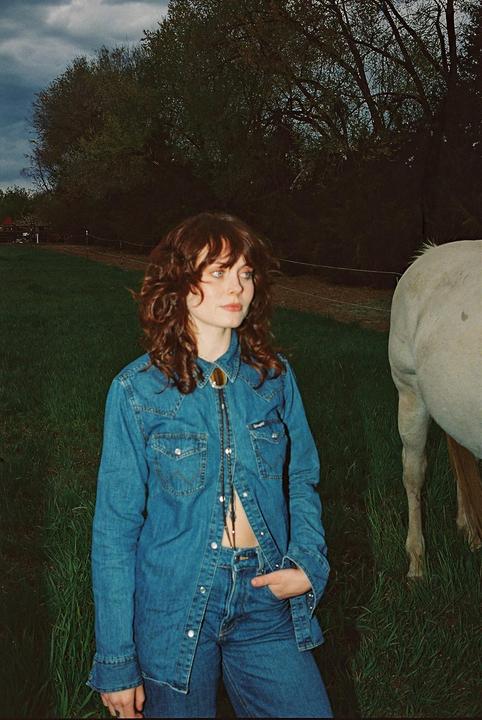

![Black Lungs [canon 1n, ultramax 400, 50mm f/1.2]](https://d3i73ktnzbi69i.cloudfront.net/d9eeccd4-97e1-4270-a1b6-1a5fbe45c0ee.jpeg)
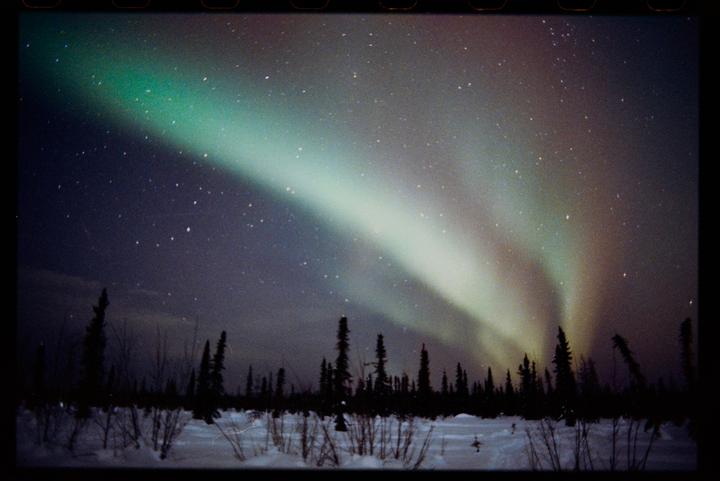
![Exploring Bangkok with a Model [Canon 1N, Canon 50mm f/1.4, Kodak Gold 200]](https://d3i73ktnzbi69i.cloudfront.net/cc441b65-9221-4618-a62b-3d6a94bbabbe.jpeg)
![A week ago in Venice [Canon 1 N, 50mm f/1.8, Kodak ProImage 100]](https://d3i73ktnzbi69i.cloudfront.net/c54c4100-d553-4be0-a3a0-dc660b9cc615.jpeg)
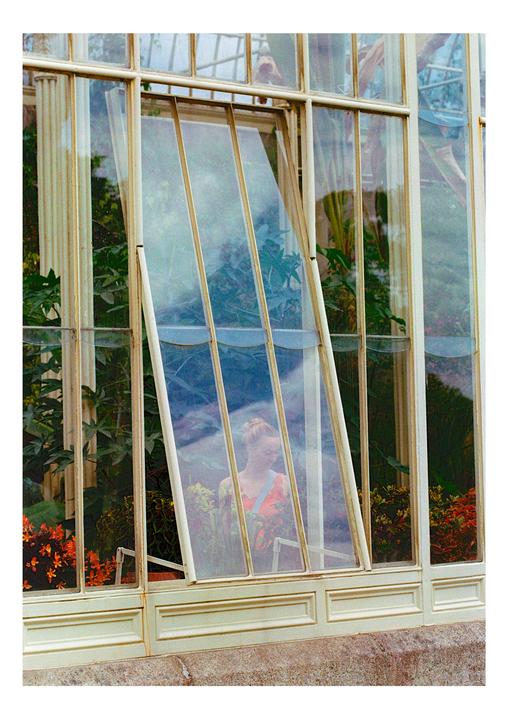
![Self Portrait [Canon1N, 50mm 1.8, TriX 400]](https://d3i73ktnzbi69i.cloudfront.net/63ae51d4-13a9-4d5f-b4ec-b4b3615547c9.jpeg)

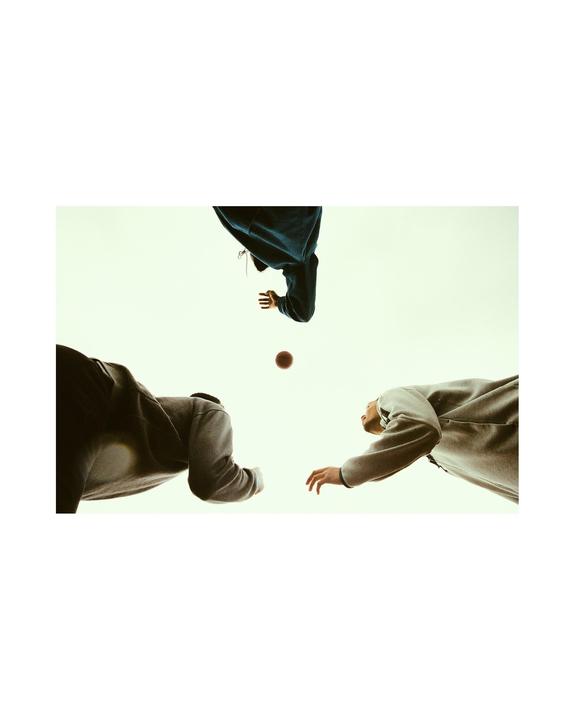

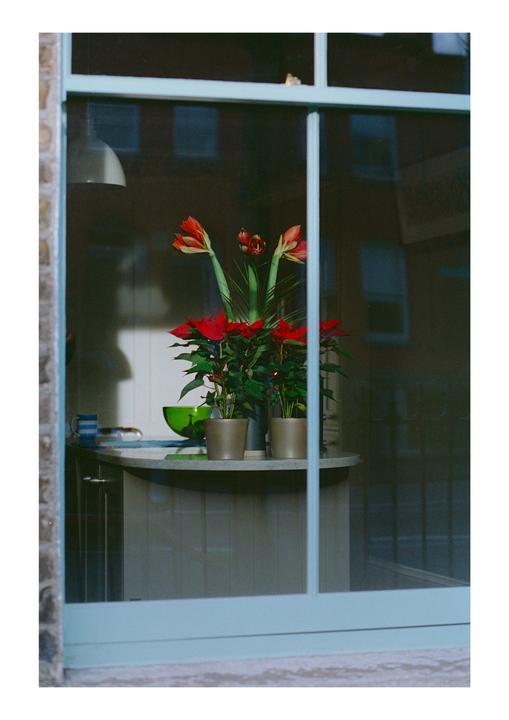
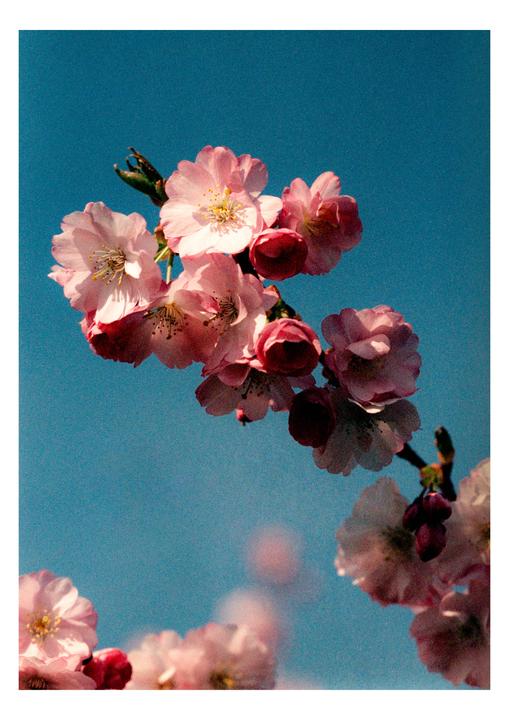
![From my first visit to New York City [Canon 1-N, 24-85mm f/ 3.5, multiple film stocks]](https://d3i73ktnzbi69i.cloudfront.net/5032af57-0455-42e7-8e55-f54bc7c39c28.jpeg)
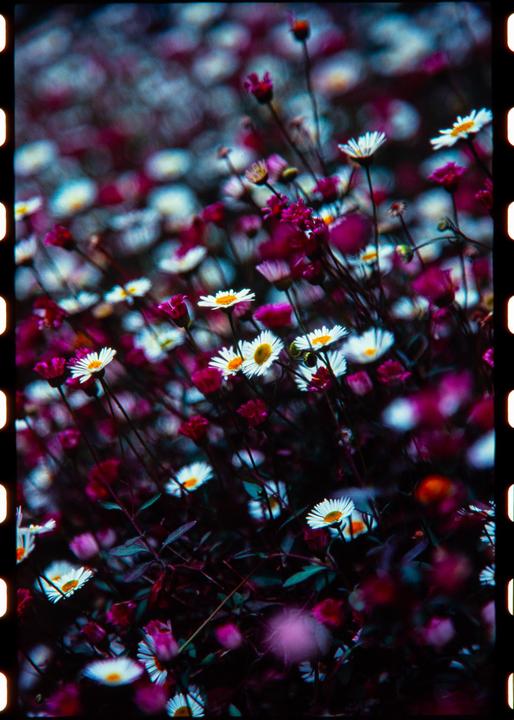
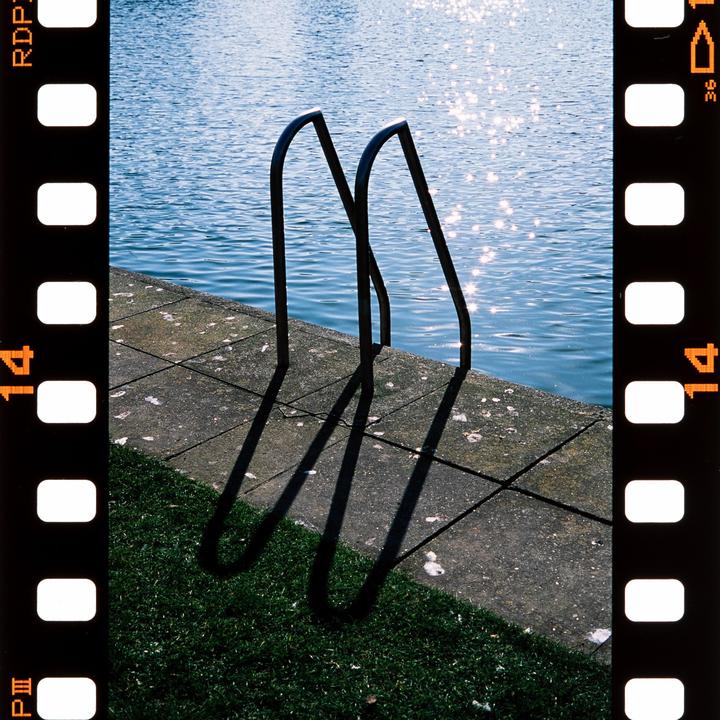
![Abergwaun - [Canon 1n, 17-40L, 24-105L, 20-200 F4L, Portra 160]](https://d3i73ktnzbi69i.cloudfront.net/cfae66db-37b2-4815-b6a2-b484c1abf409.png)
![Stopping at Shimo-Kitazawa [Eos 1n, 24-70, provia 400x]](https://d3i73ktnzbi69i.cloudfront.net/da19b537-aedc-4750-8165-6e3400b44723.jpeg)